

Hey there! As a supplier of acetate filament bundles, I often get asked if our product is suitable for low - temperature applications. Let's dive into this topic and figure out whether acetate filament bundles are a good fit for low - temp uses.
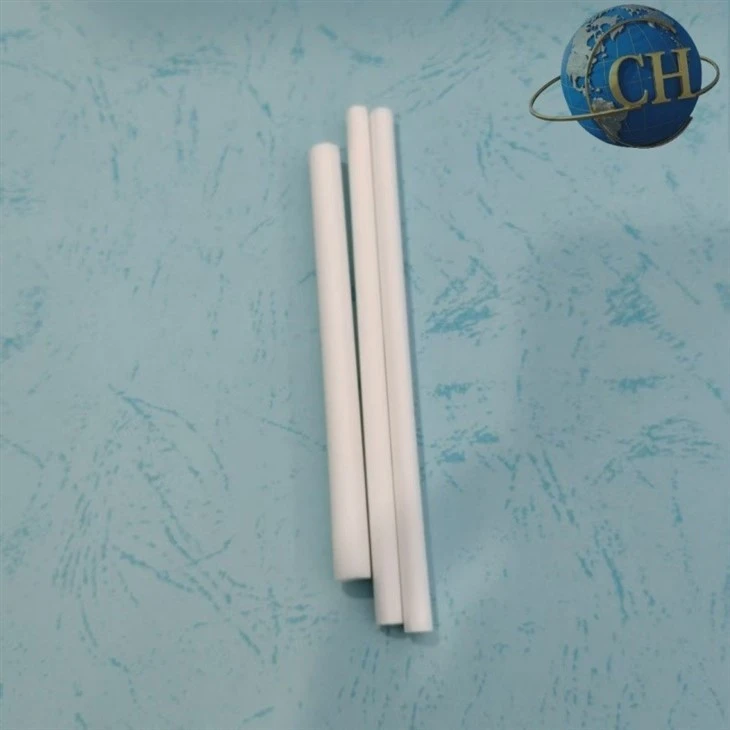
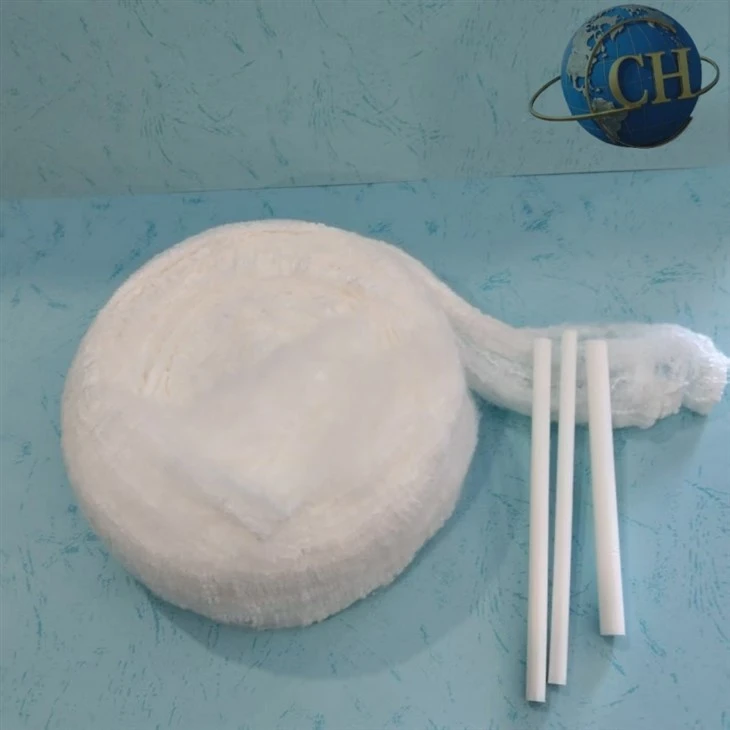
First off, let's understand what acetate filament bundles are. These are basically strands of acetate fibers that are grouped together. Acetate is a semi - synthetic polymer derived from cellulose. It's widely used in various industries, especially in the production of cigarette filters, textiles, and other applications where filtration or a soft, flexible material is needed. I run a business supplying these bundles, and I've seen their versatility firsthand.
When it comes to low - temperature applications, there are a few key factors we need to consider. One of the most important ones is the material's mechanical properties at low temperatures. Acetate is known for its relatively good flexibility and softness at normal room temperatures. But when the temperature drops, things can change.
At low temperatures, polymers tend to become more brittle. This is because the molecular motion within the polymer chains slows down. For acetate filament bundles, this means that the risk of breakage increases as the temperature goes down. If you're using these bundles in an application where the material needs to bend or stretch, the low - temperature brittleness could be a real issue.
However, it's not all bad news. The degree of brittleness depends on several factors, such as the type of acetate (e.g., cellulose diacetate or cellulose triacetate), the processing conditions during the manufacturing of the filament bundles, and the specific additives used. Some acetate formulations can be made more resistant to low - temperature brittleness by adding plasticizers or other modifiers.
Another aspect to consider is the chemical stability of acetate at low temperatures. Acetate is generally a chemically stable material. Low temperatures usually slow down chemical reactions, so there's less risk of the acetate degrading or reacting with other substances in the environment. This can be a plus for applications where chemical stability is crucial, like in some types of filtration systems.
Let's talk about some real - world applications. In the cigarette filter industry, for example, the temperature can vary significantly. While the filter is usually at room temperature when the cigarette is not lit, it can experience high temperatures when the cigarette is smoked. But what if there are situations where cigarettes are stored in cold environments? The acetate filament bundles used in the filters need to maintain their structural integrity. In most cases, the acetate used in cigarette filters can withstand a certain range of low temperatures without significant damage. However, if the temperature drops too low, there could be a risk of the filter becoming more brittle and potentially breaking apart.
If you're interested in experimenting with acetate filament bundles for different applications, you can check out this link: Experiment With Cellulose Diacetate Tow. It provides some useful information on how to work with cellulose diacetate tow, which is a type of acetate filament bundle.
Now, let's consider other potential low - temperature applications. In the textile industry, acetate fibers are sometimes used in winter clothing. The low - temperature performance of these fibers can affect the comfort and durability of the clothing. Acetate has a relatively good feel against the skin, but if it becomes too brittle in cold weather, it might not be the best choice for outerwear. However, it could still be used in lining materials where the risk of mechanical stress is lower.
For industrial filtration applications, the low - temperature suitability of acetate filament bundles is also important. In some cold regions, industrial processes might need to operate in low - temperature environments. The filtration efficiency of acetate - based filters can be affected by temperature. At low temperatures, the pores in the filter material might shrink slightly, which could potentially increase the filtration efficiency. But on the other hand, the brittleness of the acetate could cause the filter to crack or break, reducing its effectiveness.
If you're looking for different suits of acetate tow for various applications, you can visit this page: Acetate Tow Suits. It gives an overview of the different types of acetate tow and their potential applications.
In terms of high - quality filter acetate tow, we have a great option. Our High - quality Filter Acetate Tow is designed to meet the needs of different filtration applications. It has been tested under various conditions, including low - temperature scenarios. While it does show some changes in properties at low temperatures, we've found that it can still perform well in many cases.
So, are acetate filament bundles suitable for low - temperature applications? The answer is: it depends. If the application doesn't require a lot of mechanical flexibility and the temperature doesn't drop too extremely, acetate filament bundles can be a good choice. They offer chemical stability and can potentially provide decent filtration performance. However, if the application involves a lot of bending, stretching, or if the temperatures are very low, you might need to consider other materials or look into modifying the acetate formulation to improve its low - temperature performance.
If you're in the market for acetate filament bundles and want to discuss your specific low - temperature application requirements, I'd be more than happy to have a chat. We can work together to figure out the best solution for your needs. Whether it's for a small - scale project or a large - scale industrial application, I'm here to help you make the right decision.
References
- General knowledge on polymer materials and their properties at different temperatures.
- Industry reports on the use of acetate filament bundles in various applications.