

HEC, or Hydroxyethyl Cellulose, is a versatile compound widely used in various industries. As a HEC supplier, I'm well - versed in its applications and the potential it holds. Beyond its industrial significance, HEC also plays a role in educational and international exchange programs supported by institutions that recognize its importance. In this blog, I'll explore how students and faculty can participate in HEC - supported international exchange programs.
Understanding HEC - Supported International Exchange Programs
HEC - supported international exchange programs are initiatives designed to foster cross - cultural learning, academic collaboration, and research advancement in the field related to Hydroxyethyl Cellulose. These programs are often funded by organizations interested in promoting the study and application of HEC, such as research institutions, industry associations, and government agencies.
The goals of these programs include enhancing global perspectives on HEC research, facilitating the exchange of knowledge and expertise, and preparing the next generation of professionals in the HEC - related industries. They typically involve students and faculty from different countries coming together to participate in academic courses, research projects, and cultural immersion activities.
How Students Can Participate
Research Opportunities
Students can participate in HEC - supported international exchange programs through research projects. Many of these programs offer research fellowships or internships at international institutions. For example, a student interested in the Hydroxyethyl Cellulose Uses in Versatile Ingredient can apply for a research position at a foreign university's chemical engineering department.
These research projects may focus on areas such as the synthesis of HEC with specific properties, its applications in pharmaceuticals or cosmetics, or its environmental impact. By participating in these projects, students can gain hands - on experience in cutting - edge research, work with leading experts in the field, and contribute to the global body of knowledge on HEC.
Academic Courses
Another way for students to get involved is through academic courses. Some HEC - supported exchange programs offer short - term courses or semester - long study abroad opportunities. These courses are designed to provide students with in - depth knowledge of HEC, including its chemical structure, production methods, and industrial applications.
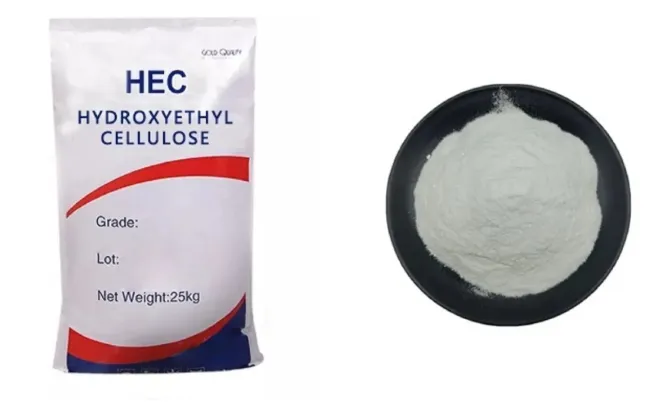
For instance, a course on Hydroxyethyl Cellulose: CAS: 9004 - 62 - 0 may cover topics such as its regulatory requirements, quality control measures, and emerging trends in the industry. Students can take these courses at partner universities and earn academic credits that can be transferred back to their home institutions.

Cultural Immersion
Cultural immersion is an important aspect of international exchange programs. Students can participate in cultural activities organized as part of the HEC - supported programs. This could include visits to local industries that use HEC, cultural festivals, and homestays with local families.
By immersing themselves in the local culture, students can develop a better understanding of the global context in which HEC is used. They can also build cross - cultural communication skills, which are essential in today's globalized world.
How Faculty Can Participate
Collaborative Research
Faculty members can participate in HEC - supported international exchange programs through collaborative research projects. They can partner with researchers from other countries to conduct joint studies on HEC - related topics. These collaborations can lead to the development of new research findings, the publication of high - impact papers, and the establishment of long - term research partnerships.
For example, a faculty member interested in the environmental applications of HEC can collaborate with a team of researchers in another country to study its use in water treatment. By combining their expertise and resources, they can make significant contributions to the field.
Teaching Exchanges
Teaching exchanges are another way for faculty to get involved. Faculty can teach courses at partner universities as part of the HEC - supported programs. This allows them to share their knowledge and expertise with students from different cultural backgrounds and learn about different teaching methods and educational systems.
For instance, a faculty member who specializes in the production of Hydroxyethyl Cellulose HEC can teach a course on its manufacturing processes at a foreign university. This not only enriches the educational experience of the students but also helps the faculty member expand their professional network.
Professional Development
HEC - supported international exchange programs also offer faculty members opportunities for professional development. They can attend international conferences, workshops, and seminars related to HEC. These events provide a platform for faculty to stay updated on the latest research trends, network with other professionals in the field, and enhance their teaching and research skills.
Benefits of Participation
For Students
- Enhanced Academic Skills: Participating in HEC - supported international exchange programs allows students to gain new knowledge and skills in the field of HEC. They can learn from leading experts, use advanced research facilities, and work on real - world research projects.
- Global Perspective: Students can develop a global perspective on HEC research and its applications. They can understand how different countries approach the study and use of HEC, which is valuable in a globalized job market.
- Cultural Competence: Through cultural immersion activities, students can develop cultural competence, which is essential for working in international teams and understanding different business cultures.
For Faculty
- Research Advancement: Collaborative research projects can lead to the advancement of research in the field of HEC. Faculty members can access new resources, expertise, and research facilities, which can enhance the quality of their research.
- Teaching Innovation: Teaching exchanges can expose faculty to different teaching methods and educational systems, which can inspire them to innovate in their own teaching practices.
- Professional Network Expansion: Participating in international events and exchange programs allows faculty to expand their professional network, which can lead to future research collaborations, job opportunities, and professional growth.
How to Apply
Students and faculty interested in participating in HEC - supported international exchange programs should start by researching available programs. They can look for programs offered by their home institutions, international organizations, and industry associations.
Once they have identified suitable programs, they should carefully read the application requirements and deadlines. The application process may include submitting transcripts, letters of recommendation, a statement of purpose, and a research proposal (for research - based programs).
It's also important to prepare for the cultural and academic challenges that come with international exchange. Students and faculty should learn about the host country's culture, language, and academic environment to ensure a smooth transition.
Conclusion
HEC - supported international exchange programs offer valuable opportunities for students and faculty to engage in cross - cultural learning, research collaboration, and professional development. Whether through research projects, academic courses, or cultural immersion activities, participation in these programs can have a profound impact on the personal and professional growth of individuals involved.
As a HEC supplier, I encourage students and faculty to explore these opportunities and take advantage of the benefits they offer. If you are interested in learning more about HEC or have any questions regarding its applications in the context of these exchange programs, please feel free to contact us for further discussion and potential collaboration. We are always ready to support your academic and research endeavors related to Hydroxyethyl Cellulose.
References
- International Association for HEC Research. (Year). Report on HEC - Supported International Exchange Programs.
- University of [Name]. (Year). Guide to Participating in International Exchange Programs.
- Journal of HEC Studies. (Year). Articles on HEC - Related Research and Exchange Initiatives.