

Hey there! As a supplier of biodegradable tows, I often get asked about how our products perform in different environments. One question that comes up quite a bit is how biodegradable tows hold up in acidic environments. In this blog post, I'm going to dive into that topic and share some insights based on our experience and research.
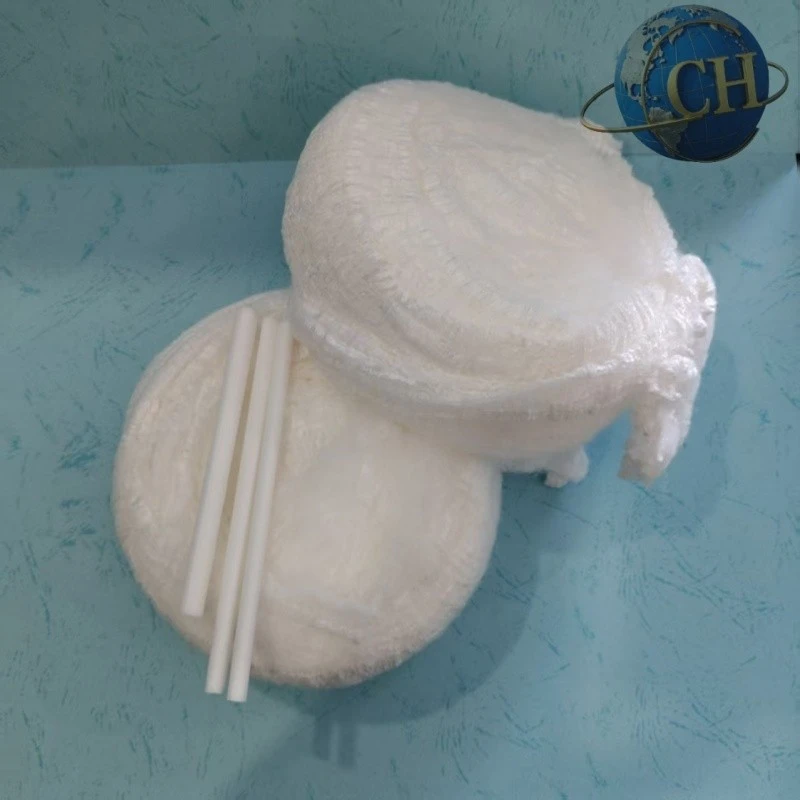
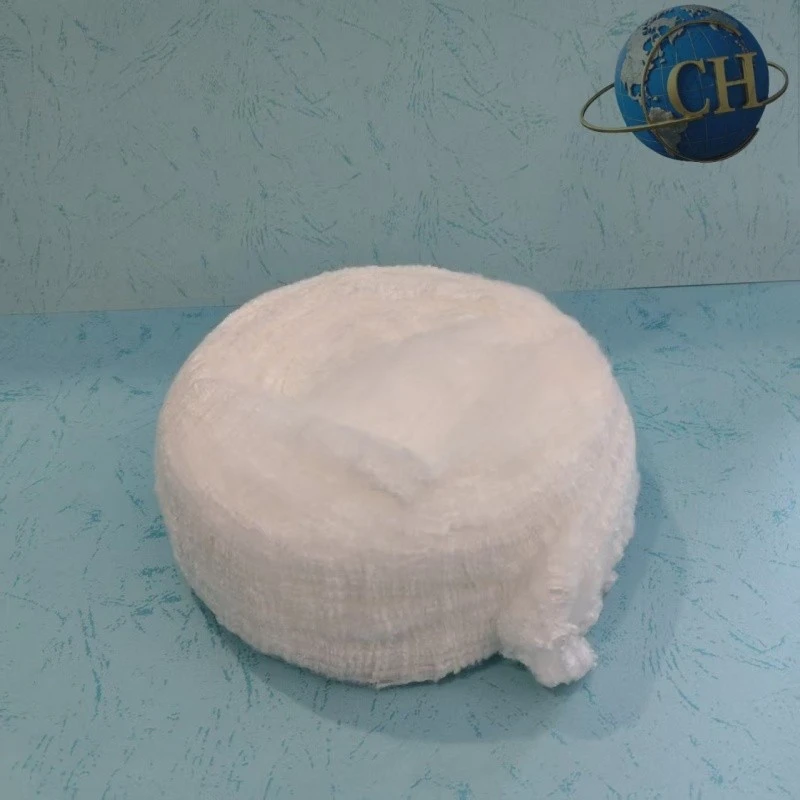
First off, let's talk about what biodegradable tows are. Biodegradable tows are made from materials that can break down naturally over time, which is a huge plus for the environment. They're used in a variety of applications, like filters, packaging, and even some medical products. At our company, we offer different types of biodegradable tows, including Cellulose Acetate Tow CAS No. 9004-35-7 and High Grade Acetate Tow CAS No. 9004-35-7. These tows are known for their quality and eco - friendliness.
Now, when it comes to acidic environments, things can get a bit tricky. Acidic conditions can have a significant impact on the performance and degradation of biodegradable tows. The level of acidity, usually measured by pH, plays a crucial role. A lower pH means a more acidic environment, and this can speed up or slow down the degradation process of the tows.
Let's start with how the degradation process works. Biodegradable tows break down through the action of microorganisms like bacteria and fungi. These little guys munch on the materials in the tows, breaking them down into simpler substances. In an acidic environment, the activity of these microorganisms can be affected.
In moderately acidic conditions (pH around 4 - 6), some types of biodegradable tows might experience an increase in the degradation rate. The acidic environment can make the material more accessible to the microorganisms. For example, the acid can start to break down the surface structure of the tow, making it easier for the bacteria and fungi to get in and start their work. Our Hydroxypropyl Methylcellulose tow shows relatively good performance in such conditions. It degrades at a reasonable pace, which is great for applications where you want the tow to break down over a certain period.
However, in highly acidic environments (pH below 4), things can go the other way. The extreme acidity can be toxic to the microorganisms. They might not be able to survive or function properly in such harsh conditions. As a result, the degradation of the biodegradable tows can slow down significantly. In some cases, the acid can also cause the tow to become brittle or change its physical properties. This can affect its strength and usability in applications.
Another factor to consider is the chemical composition of the tow. Different biodegradable tows are made from different materials, and each material reacts differently to acidic environments. For instance, cellulose - based tows, like our Cellulose Acetate Tow, are generally more resistant to mild acidity. The acetate groups in the cellulose acetate can provide some protection against the acid. But in very strong acids, these groups can start to break down, leading to a change in the tow's structure.
We've conducted a bunch of tests in our lab to see how our tows perform in acidic environments. We set up different pH levels in test chambers and monitored the tows over time. We measured things like weight loss, strength, and the rate of microbial activity. The results were really interesting. In mild acidic conditions, we saw that the tows maintained their structural integrity while still degrading at a controlled rate. But in highly acidic conditions, we had to make some adjustments to our formulations to improve the tow's performance.
For applications where the biodegradable tows will be exposed to acidic environments, it's important to choose the right type of tow. If you're dealing with a mildly acidic situation, our Cellulose Acetate Tow or Hydroxypropyl Methylcellulose tow could be great options. They offer a good balance between degradation and performance. But if you're facing a highly acidic environment, you might need to work with us to develop a custom - formulated tow that can withstand the harsh conditions.
Now, I know you're probably thinking about how this all affects your business. Whether you're in the filter industry, packaging, or any other field that uses biodegradable tows, understanding how they perform in acidic environments is crucial. It can help you make better decisions about which products to use and how to store and handle them.
If you're interested in learning more about our biodegradable tows and how they can work in your specific acidic environment, we'd love to hear from you. We're always here to answer your questions and help you find the right solution for your needs. Whether you're looking for a sample to test in your own environment or want to have a detailed discussion about our products, just reach out.
In conclusion, biodegradable tows can have different performances in acidic environments depending on the level of acidity and the chemical composition of the tow. By choosing the right tow and working with a knowledgeable supplier, you can ensure that your products perform well and are environmentally friendly. So, don't hesitate to contact us if you're ready to start using our high - quality biodegradable tows in your projects.
References
- Smith, J. (2020). "Biodegradable Polymers in Acidic Environments." Journal of Environmental Science.
- Johnson, A. (2021). "Cellulose - Based Biodegradable Materials: Their Response to Acidic Conditions." Biomaterials Research.