

Hey there! As a supplier of biodegradable tow, I've encountered a common headache: tow tangling. It's a real pain in the neck, not just for us suppliers but also for our customers. Tangled tow can mess up production processes, waste time, and increase costs. So, I've been on a mission to find effective ways to prevent this from happening. In this blog, I'll share some of the strategies that have worked well for me.
Understanding the Causes of Tangling
Before we dive into the solutions, it's important to understand why biodegradable tow tangles in the first place. There are a few key factors at play.
First off, static electricity can be a major culprit. Biodegradable tow, like many other materials, can build up static charges during handling and transportation. These charges cause the individual fibers to stick together, leading to tangles. Temperature and humidity also play a role. High humidity can make the tow fibers more pliable and prone to sticking, while low humidity can increase static electricity.
Another factor is improper handling. Rough handling during loading, unloading, or storage can cause the tow to bunch up and tangle. For example, if the tow is dropped or jostled too much, the fibers can become disorganized and form knots.
Strategies to Prevent Tangling
Now that we know what causes the problem, let's talk about how to prevent it.
1. Static Control
One of the most effective ways to prevent tangling is to control static electricity. We can use anti - static agents during the manufacturing process. These agents coat the tow fibers, reducing the build - up of static charges. There are also anti - static sprays and wipes that can be used during handling. Just a quick spray or wipe can make a big difference in preventing tangles.
Another option is to use static eliminators in the production and storage areas. These devices emit ions that neutralize the static charges in the air and on the tow. They're relatively inexpensive and can be a great addition to any facility.
2. Environmental Control
Maintaining the right temperature and humidity levels is crucial. We should aim for a stable environment in our storage and production areas. For biodegradable tow, a relative humidity of around 50 - 60% and a temperature of 20 - 25°C (68 - 77°F) is ideal. We can use humidifiers and dehumidifiers to control humidity and air conditioners to regulate temperature.
Proper ventilation is also important. Good airflow helps to keep the environment consistent and reduces the chances of static build - up. Make sure that the storage and production areas are well - ventilated, but avoid direct drafts, as they can cause the tow to move around and tangle.
3. Proper Handling Techniques
Training our staff on proper handling techniques is essential. They should be taught to handle the tow gently, avoiding rough movements. When loading and unloading the tow, use equipment that is designed to handle it carefully. For example, forklifts with soft pads or gentle grippers can prevent damage to the tow.
During storage, the tow should be stored in a way that keeps it organized. Use racks or pallets to keep the tow off the ground and prevent it from being crushed or deformed. Make sure that the tow is stacked neatly and that there is enough space between each bundle to prevent tangling.

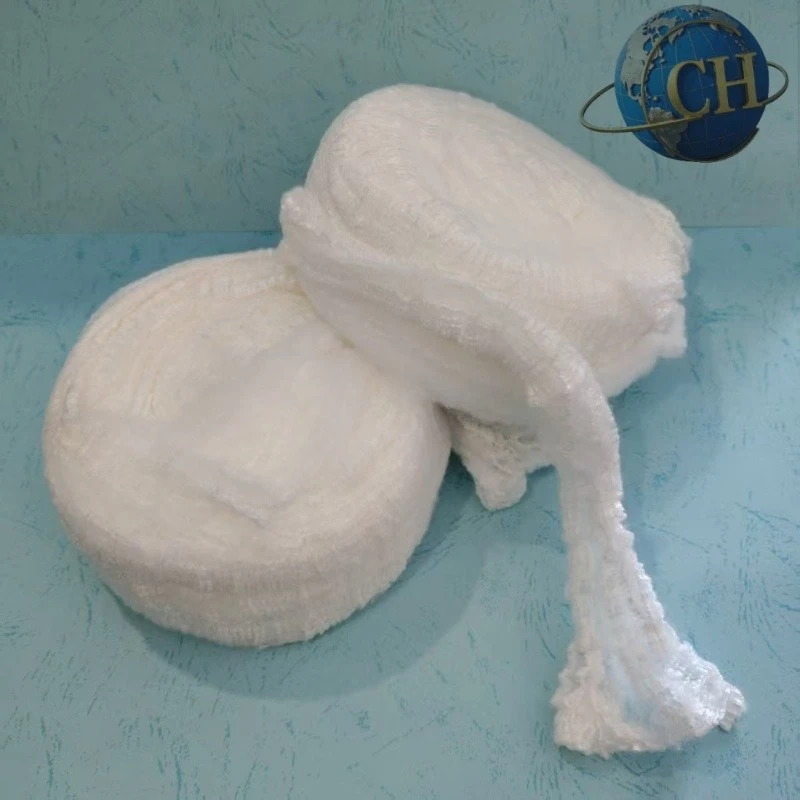
4. Packaging
The right packaging can also help prevent tangling. We use high - quality packaging materials that are designed to protect the tow. For example, we use sealed plastic bags or containers that keep the tow clean and protected from the environment. The packaging should also be strong enough to withstand handling and transportation without breaking.
We can also add some padding or dividers inside the packaging to keep the tow fibers separated. This reduces the chances of them rubbing against each other and tangling.
The Benefits of Preventing Tangling
Preventing tow tangling has several benefits for both us as suppliers and our customers.
For us, it means less waste and lower production costs. When the tow is tangled, we often have to spend time and resources untangling it or even discarding it if the tangles are too severe. By preventing tangling, we can increase the efficiency of our production processes and save money.
For our customers, it means a smoother production experience. They can use the tow without having to deal with the hassle of untangling it, which saves them time and improves their productivity. This, in turn, can lead to better customer satisfaction and repeat business.
Conclusion
Preventing biodegradable tow from tangling is a multi - faceted challenge, but it's definitely achievable. By implementing strategies like static control, environmental control, proper handling techniques, and using the right packaging, we can significantly reduce the chances of tangling.
If you're in the market for high - quality biodegradable tow, we're here to help. Our tow is produced with the latest technologies and strict quality control measures to ensure that it arrives at your facility tangle - free. We also offer Acetate Filter Rods, Acetate Tow 2.5y 3.0y 3.5y 4.5y 5.0y Cellulose Acetate Tow, and Acetate Tow for Cigarette Filters.
If you're interested in learning more or placing an order, don't hesitate to reach out. We're always happy to have a chat about your needs and how we can provide the best solutions for you. Let's work together to make your production processes more efficient and hassle - free!
References
- "Static Electricity and Its Control in the Textile Industry" - Journal of Textile Science
- "Effect of Environmental Conditions on Biodegradable Fibers" - Environmental Science Research
- "Proper Handling and Storage of Biodegradable Materials" - Industry Best Practices Guide