

Over the years, the production of cigarette tow has undergone significant transformations, shaped by technological advancements, regulatory requirements, and changing consumer preferences. As a cigarette tow supplier, I have witnessed firsthand these remarkable changes and the impact they have had on the industry.

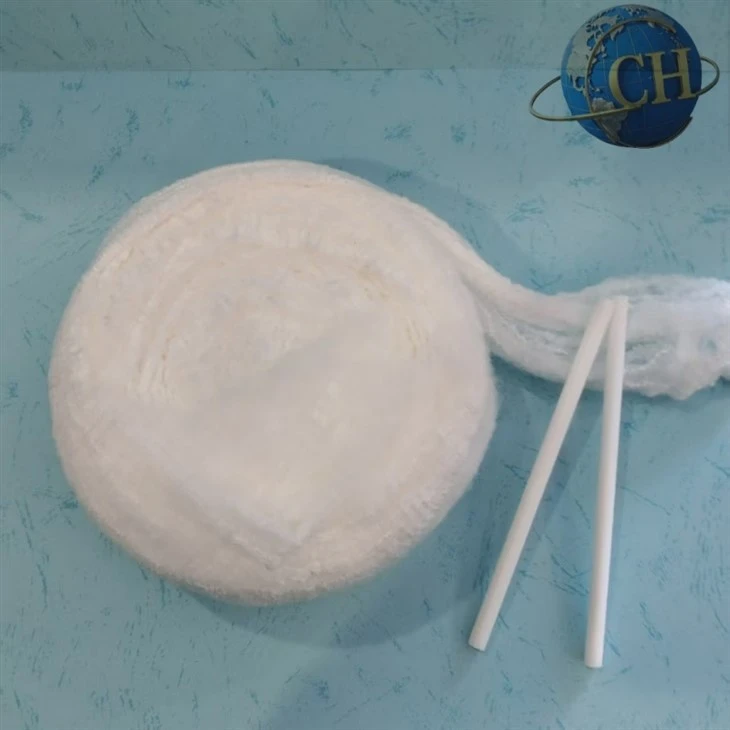
The Early Days of Cigarette Tow Production
In the early days, cigarette tow production was a relatively rudimentary process. The primary material used was cellulose acetate, a synthetic polymer derived from wood pulp or cotton linters. This material was chosen for its ability to form fine filaments that could be bundled together to create a filter tow. The production process involved dissolving cellulose acetate in a solvent, typically acetone, and then extruding the solution through a spinneret to form continuous filaments. These filaments were then stretched and crimped to create the desired texture and bulkiness for the filter.
The resulting cigarette tow was relatively simple in design and function. Its main purpose was to reduce the amount of tar and nicotine delivered to the smoker by physically trapping these substances in the filter. However, early filter tows were not very efficient at removing harmful chemicals, and they often had a negative impact on the taste of the cigarette.
Technological Advancements
As the tobacco industry grew and concerns about the health effects of smoking increased, there was a growing demand for more effective cigarette filters. This led to significant technological advancements in cigarette tow production.
One of the most significant developments was the introduction of plasticizers. Plasticizers are chemicals that are added to the cellulose acetate to make the filaments more flexible and easier to process. They also improve the filter's ability to trap harmful chemicals by increasing the surface area of the filaments. This has led to the development of more efficient filter tows that can remove a greater percentage of tar and nicotine from the smoke.
Another important advancement was the development of new manufacturing processes. For example, the use of continuous spinning processes has made it possible to produce cigarette tow more efficiently and with greater consistency. These processes also allow for the production of tow with a wider range of properties, such as different deniers (a measure of the fiber's thickness) and cross-sectional shapes.
In addition, the use of automation and computer control systems has revolutionized cigarette tow production. These systems allow for precise control over the manufacturing process, ensuring that each batch of tow meets the same high standards of quality. They also improve efficiency and reduce waste by minimizing human error.
Regulatory Requirements
In recent decades, regulatory requirements have had a significant impact on cigarette tow production. Governments around the world have implemented stricter regulations on the tobacco industry in an effort to reduce the health risks associated with smoking. These regulations have focused on reducing the levels of harmful chemicals in cigarettes, as well as improving the transparency and accuracy of tobacco product labeling.
As a result, cigarette tow suppliers have been required to develop new products and manufacturing processes that meet these regulatory requirements. For example, many suppliers have developed filter tows that are specifically designed to reduce the levels of certain harmful chemicals, such as polycyclic aromatic hydrocarbons (PAHs) and nitrosamines. These filter tows often incorporate special additives or coatings that can trap these chemicals more effectively.
In addition, regulatory requirements have also led to changes in the way that cigarette tow is labeled and marketed. Suppliers are now required to provide more detailed information about the composition and performance of their products, including the amount of tar and nicotine that can be removed by the filter. This has helped consumers to make more informed decisions about the cigarettes they choose to smoke.
Changing Consumer Preferences
Consumer preferences have also played a role in shaping the production of cigarette tow. In recent years, there has been a growing trend towards filtered cigarettes, as consumers become more aware of the health risks associated with smoking. This has led to an increased demand for high-quality cigarette tow that can provide effective filtration without compromising the taste of the cigarette.
In addition, there has been a growing interest in natural and organic products. As a result, some cigarette tow suppliers have started to develop products made from natural materials, such as Acetate Tow From Natural. These products are often marketed as being more environmentally friendly and healthier than traditional filter tows.
Another trend in consumer preferences is the demand for flavored cigarettes. To meet this demand, cigarette tow suppliers have developed filter tows that can incorporate a variety of flavors, such as menthol, fruit, and vanilla. These flavored filter tows can enhance the smoking experience and appeal to a wider range of consumers.
The Future of Cigarette Tow Production
Looking to the future, the production of cigarette tow is likely to continue to evolve in response to technological advancements, regulatory requirements, and changing consumer preferences.
One area where we can expect to see further innovation is in the development of new materials for cigarette tow. For example, researchers are exploring the use of nanomaterials and biopolymers, which could offer improved filtration performance and reduced environmental impact.
In addition, there is likely to be a continued focus on improving the efficiency and sustainability of cigarette tow production. This could involve the use of renewable energy sources, the development of more efficient manufacturing processes, and the reduction of waste and emissions.
Finally, as the tobacco industry faces increasing scrutiny and regulation, cigarette tow suppliers will need to be more proactive in addressing the health concerns associated with smoking. This could involve developing new products and technologies that can further reduce the levels of harmful chemicals in cigarettes, as well as providing more information and support to consumers.
Conclusion
In conclusion, the production of cigarette tow has changed significantly over the years, driven by technological advancements, regulatory requirements, and changing consumer preferences. As a cigarette tow supplier, I am proud to be part of an industry that is constantly evolving and innovating to meet the needs of our customers.
If you are interested in learning more about our Cigarette Filter Material or Acetate Tow Suits, please do not hesitate to contact me. I would be happy to discuss your specific requirements and provide you with more information about our products and services. Let's start a procurement negotiation and find the best solution for your business.
References
- "The Chemistry of Cigarette Filter Materials," Journal of Chemical Education.
- "Technological Advances in Cigarette Tow Production," Tobacco Science Review.
- "Regulatory Impact on the Tobacco Industry," World Health Organization Report.