

Antioxidants play a crucial role in various industries, from food and pharmaceuticals to cosmetics, by preventing the oxidation of products and extending their shelf - life. Sodium CMC, or Sodium Carboxymethyl Cellulose, is a widely used polymer with a range of applications. In this blog, we'll explore the antioxidant properties of sodium CMC and how it can be beneficial in different sectors. As a sodium CMC supplier, we are well - versed in the characteristics and potential of this remarkable compound.
Understanding Sodium CMC
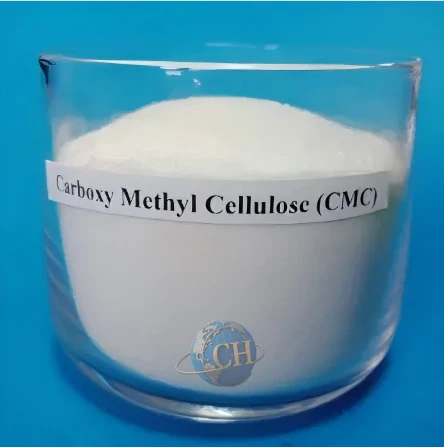
Sodium CMC is a water - soluble derivative of cellulose, a natural polymer found in the cell walls of plants. It is produced by reacting cellulose with chloroacetic acid in the presence of sodium hydroxide. The resulting product is a white or slightly yellowish powder that is odorless and tasteless. Sodium CMC has excellent thickening, stabilizing, and emulsifying properties, which make it a popular choice in many industries. You can learn more about it on our Carboxymethyl Cellulose Gum page.
Antioxidant Mechanisms of Sodium CMC
Radical Scavenging
One of the primary ways sodium CMC acts as an antioxidant is through radical scavenging. Free radicals are highly reactive molecules that can cause damage to cells and tissues in living organisms and also lead to the degradation of products in industrial applications. Sodium CMC has functional groups that can donate hydrogen atoms to free radicals, thereby neutralizing them. For example, the carboxymethyl groups in sodium CMC can interact with free radicals, breaking the chain reaction of oxidation.

Metal Chelation
Another important antioxidant mechanism of sodium CMC is metal chelation. Metals such as iron and copper can catalyze the oxidation process by promoting the formation of free radicals. Sodium CMC can bind to these metal ions, preventing them from participating in oxidation reactions. This chelation ability helps to reduce the rate of oxidation and preserve the quality of products.
Antioxidant Applications in Different Industries
Food Industry
In the food industry, sodium CMC is used as a thickener, stabilizer, and emulsifier. Its antioxidant properties also contribute to the preservation of food products. For instance, in dairy products like yogurt, sodium CMC can prevent the oxidation of fats, which can lead to off - flavors and rancidity. It can also extend the shelf - life of bakery products by protecting against the oxidation of oils and fats. You can find high - quality 9004 - 32 - 4Cellulose Cmc suitable for food applications on our website.
Pharmaceutical Industry
In pharmaceuticals, sodium CMC is used as a binder, disintegrant, and suspending agent. Its antioxidant properties are valuable in protecting drugs from oxidation, which can affect their stability and efficacy. For example, in liquid formulations, sodium CMC can prevent the oxidation of active ingredients, ensuring that the drug remains effective over time.
Cosmetics Industry
In cosmetics, sodium CMC is used to improve the texture and stability of products. Its antioxidant properties can protect cosmetic formulations from oxidation, which can cause changes in color, odor, and consistency. For example, in creams and lotions, sodium CMC can prevent the oxidation of oils and other ingredients, maintaining the product's quality and appearance. Our CMC Sodium Carboxymethyl Cellulose Powder is an ideal choice for cosmetic manufacturers.
Factors Affecting the Antioxidant Properties of Sodium CMC
Degree of Substitution
The degree of substitution (DS) of sodium CMC refers to the average number of carboxymethyl groups per glucose unit in the cellulose chain. A higher DS generally leads to better antioxidant properties because there are more carboxymethyl groups available for radical scavenging and metal chelation.
Molecular Weight
The molecular weight of sodium CMC also affects its antioxidant properties. Higher molecular weight sodium CMC can form more viscous solutions, which can provide better protection against oxidation by creating a physical barrier. However, the relationship between molecular weight and antioxidant activity is complex and may also depend on other factors such as the specific application.
pH
The pH of the solution can influence the antioxidant properties of sodium CMC. In general, sodium CMC is more effective as an antioxidant in a slightly acidic to neutral pH range. At extreme pH values, the structure and properties of sodium CMC may change, affecting its antioxidant activity.
Advantages of Using Sodium CMC as an Antioxidant
Natural and Safe
Sodium CMC is derived from cellulose, a natural polymer, which makes it a safe and environmentally friendly option. It is widely used in food, pharmaceuticals, and cosmetics, and has been approved by regulatory agencies such as the Food and Drug Administration (FDA).
Versatility
Sodium CMC can be used in a wide range of applications due to its multiple functions. In addition to its antioxidant properties, it has thickening, stabilizing, and emulsifying properties, which make it a versatile ingredient in various industries.
Cost - Effective
Compared to some other antioxidants, sodium CMC is relatively cost - effective. It can provide significant antioxidant protection at a reasonable cost, making it an attractive option for manufacturers.
Conclusion
Sodium CMC is a remarkable compound with valuable antioxidant properties. Its ability to scavenge free radicals and chelate metal ions makes it an effective antioxidant in various industries, including food, pharmaceuticals, and cosmetics. As a sodium CMC supplier, we are committed to providing high - quality products that meet the needs of our customers. If you are interested in learning more about our sodium CMC products or have any questions regarding its antioxidant applications, please feel free to contact us for further discussion and potential procurement.
References
- M. A. Rinaudo, "Carboxymethylcelluloses: Properties and applications", Progress in Polymer Science, 2008.
- S. M. Rizvi, "Food Preservation by Antioxidants", CRC Press, 1992.
- C. B. Rodriguez - Patino, "Antioxidant Activity of Polysaccharides", in "Polysaccharides: Structural Diversity and Functional Versatility", 2009.