

Hey there! I'm a cellulose supplier, and today I'm gonna take you on a journey through the amazing industrial uses of cellulose. Cellulose is like a hidden gem in the world of materials, with a wide range of applications that you might not even be aware of. So, let's dive right in!
Food Industry
One of the most common places you'll find cellulose is in the food industry. It's used as a thickener, stabilizer, and emulsifier. For example, in ice cream, cellulose helps to prevent ice crystals from forming, giving it a smoother texture. It also acts as a fat replacer in some low - fat products, making them more palatable without the extra calories.
In salad dressings, cellulose keeps the oil and water from separating, ensuring a consistent product. It's also used in bakery products to improve moisture retention, which helps to keep the bread fresh for longer. And if you've ever had a gluten - free product, cellulose might be one of the ingredients that gives it the right texture. You can find out more about some related cellulose products like carboxymethyl cellulose at What Is Carboxymethyl Cellulose Used For.
Pharmaceutical Industry
Cellulose plays a crucial role in the pharmaceutical industry too. It's used as an excipient in tablets and capsules. Excipients are substances that are added to the active ingredient to form a final dosage form. Cellulose can act as a binder, holding the tablet together. It can also be used as a disintegrant, which means it helps the tablet to break apart in the body so that the drug can be absorbed.
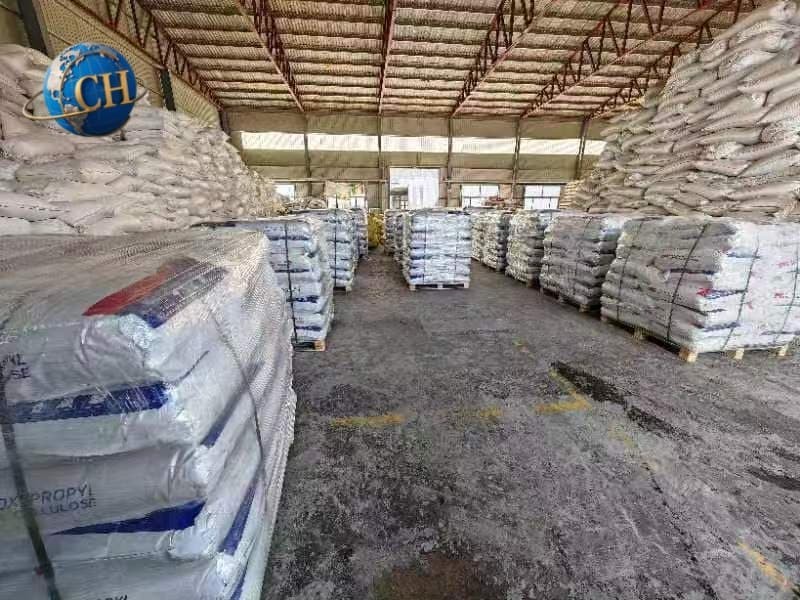

In addition, cellulose is used in the production of topical creams and ointments. It can act as a thickening agent, giving the product the right consistency for easy application. The Instant Grade CMC is a type of cellulose product that can be quite useful in pharmaceutical formulations due to its quick - dissolving properties.
Cosmetics Industry
When it comes to cosmetics, cellulose is a popular ingredient. It's used in lotions, creams, and makeup products. In lotions, it acts as a thickener and stabilizer, preventing the product from separating and giving it a smooth, creamy texture. In makeup, cellulose can be used to improve the spreadability of the product and to give it a more natural finish.
For example, in foundations, it can help to reduce the appearance of pores and create a more even skin tone. Cellulose - based products like sodium carboxymethyl are often used in the cosmetics industry for their excellent thickening and binding properties.
Paper and Pulp Industry
The paper and pulp industry is one of the biggest consumers of cellulose. Cellulose fibers are the main component of paper. Wood pulp, which is rich in cellulose, is processed to make different types of paper, from newsprint to high - quality writing paper.
The strength and durability of paper come from the cellulose fibers. The longer the cellulose fibers, the stronger the paper. Different processing methods can be used to modify the properties of the cellulose fibers, resulting in papers with different characteristics, such as smoothness, absorbency, and opacity.
Textile Industry
Cellulose is also used in the textile industry. Rayon, for example, is a semi - synthetic fiber made from cellulose. It has a soft, silky feel and is often used in clothing, especially in summer wear because it's breathable. Another cellulose - based fiber is lyocell, which is known for its strength and environmental friendliness.
These cellulose - derived fibers can be blended with other fibers like cotton or polyester to create fabrics with unique properties. They offer a more sustainable alternative to some synthetic fibers, as cellulose is a renewable resource.
Oil and Gas Industry
In the oil and gas industry, cellulose is used in drilling fluids. Drilling fluids are used to lubricate the drill bit, carry the cuttings to the surface, and maintain pressure in the wellbore. Cellulose can act as a viscosifier, increasing the viscosity of the drilling fluid.
This helps to keep the cuttings suspended in the fluid and prevents them from settling at the bottom of the well. It also helps to seal the wellbore, preventing fluid loss into the surrounding rock formations.
Construction Industry
Cellulose has some applications in the construction industry too. It can be used in cement - based products like mortar and concrete. When added to concrete, cellulose fibers can improve the crack resistance and durability of the concrete.
They can also help to reduce the shrinkage of the concrete during the drying process. In insulation materials, cellulose can be used as a filler. It's an effective insulator because it traps air, which helps to reduce heat transfer.
Adhesive Industry
In the adhesive industry, cellulose can be used as a thickener and binder. It can improve the viscosity and tackiness of adhesives, making them more effective at bonding different materials. Cellulose - based adhesives are often used in woodworking, packaging, and paper - to - paper bonding applications.
Conclusion
As you can see, cellulose has a wide range of industrial uses. From the food we eat to the products we use in our daily lives, cellulose is everywhere. Whether you're in the food, pharmaceutical, cosmetics, or any other industry, there's a good chance that cellulose can play a valuable role in your products.
If you're interested in sourcing high - quality cellulose products for your industrial needs, I'd love to have a chat with you. Just reach out, and we can discuss your specific requirements and how we can work together to meet them.
References
- Mohanty, A. K., Misra, M., & Drzal, L. T. (Eds.). (2005). Natural fibers, biopolymers, and biocomposites. CRC press.
- Rowell, R. M., Keiski, R. L., & Young, R. A. (Eds.). (2005). Handbook of natural fibers. Woodhead Publishing Limited.