

As a supplier of Filter Tow, I understand the crucial role that proper packaging methods play in maintaining the quality and integrity of our products. Filter tow, a key component in cigarette filters, requires specific packaging to ensure it reaches our customers in optimal condition. In this blog, I will delve into the various packaging methods used for Filter Tow, highlighting their importance and benefits.

1. Spool Packaging
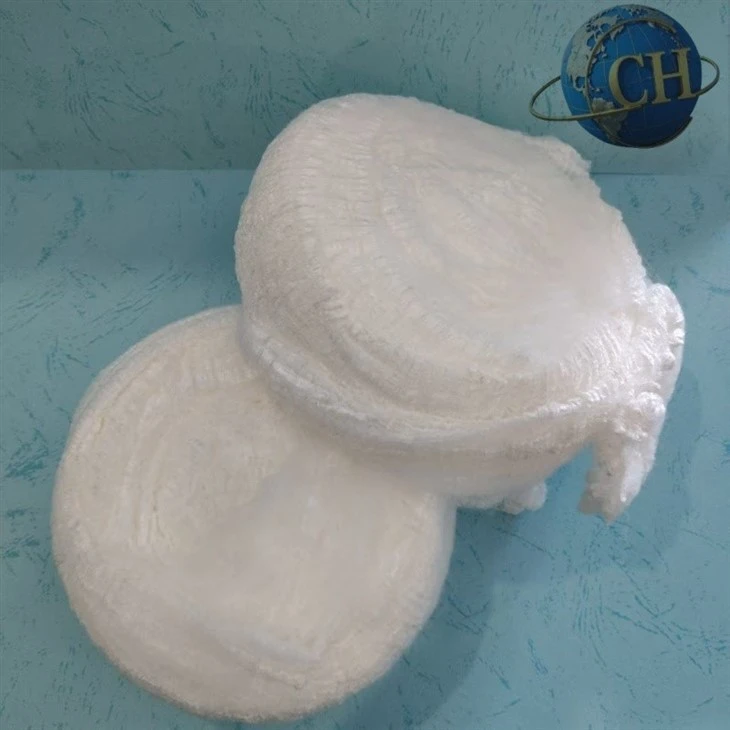
One of the most common packaging methods for Filter Tow is spool packaging. This method involves winding the Filter Tow onto a spool, which is then placed in a protective container. Spool packaging offers several advantages. Firstly, it allows for easy handling and transportation. The spools can be easily loaded onto trucks or containers, and their compact size makes them suitable for shipping over long distances. Secondly, spool packaging helps to prevent tangling and damage to the Filter Tow. The winding process ensures that the tow is neatly arranged on the spool, reducing the risk of knots or snags.
For example, our cellulose acetate cigarette filter tow is often packaged on spools. The spools are made of high - quality materials that can withstand the rigors of transportation. They are also designed to be stackable, which maximizes storage space in warehouses and during transit.
2. Carton Packaging
Carton packaging is another popular option for Filter Tow. In this method, the Filter Tow is cut into appropriate lengths and placed inside a carton. Cartons are typically made of corrugated cardboard, which provides good protection against external impacts. Carton packaging is suitable for both small - scale and large - scale shipments.
The advantage of carton packaging is its flexibility. Cartons can be customized in terms of size and shape to accommodate different quantities of Filter Tow. They also offer easy identification and labeling. We can print important information such as product specifications, batch numbers, and handling instructions on the cartons. Our Acetate Tow 2.5y /30000 For Filter Rods is sometimes packaged in cartons, which are designed to keep the tow clean and protected during storage and transportation.
3. Plastic Bag Packaging
Plastic bag packaging is a simple yet effective way to package Filter Tow. The Filter Tow is placed inside a plastic bag, which is then sealed to prevent moisture and dust from entering. Plastic bags are often made of polyethylene or polypropylene, which are durable and resistant to tearing.
This type of packaging is cost - effective and lightweight. It is particularly useful for small - quantity orders or for samples. The plastic bags can be easily labeled with product information. Our CAS: 9004 - 35 - 7 Acetate Tow can be provided in plastic bag packaging for customers who need a smaller amount for testing or evaluation purposes.
4. Vacuum Packaging
Vacuum packaging is a more advanced packaging method for Filter Tow. In this process, the Filter Tow is placed in a special bag, and the air is removed from the bag using a vacuum machine. This creates a vacuum environment inside the bag, which helps to preserve the quality of the Filter Tow.
Vacuum packaging has several benefits. It reduces the risk of oxidation and microbial growth, which can degrade the quality of the Filter Tow over time. It also helps to prevent the tow from absorbing moisture, which can affect its performance. Vacuum - packaged Filter Tow can have a longer shelf life compared to other packaging methods.
5. Protective Layers and Liners
In addition to the main packaging methods, we often use protective layers and liners to enhance the protection of Filter Tow. For example, we may use a layer of plastic film inside a carton to provide an extra barrier against moisture. Liners can also be used to prevent the Filter Tow from coming into direct contact with the packaging material, which may cause static electricity or abrasion.
Importance of Packaging for Filter Tow
Proper packaging is essential for Filter Tow for several reasons. Firstly, it protects the product from damage during transportation and storage. Filter Tow is a delicate material, and any damage can affect its performance in cigarette filters. Secondly, packaging helps to maintain the quality of the Filter Tow. By preventing exposure to moisture, dust, and oxygen, we can ensure that the tow retains its physical and chemical properties.
Thirdly, packaging plays a role in branding and marketing. Well - designed packaging can enhance the visibility and appeal of our products. It can also provide important information to customers, such as product features, usage instructions, and safety warnings.
Quality Control in Packaging
As a Filter Tow supplier, we have strict quality control measures in place for our packaging processes. We ensure that all packaging materials meet the required standards in terms of strength, durability, and environmental friendliness. Our packaging facilities are regularly inspected to ensure that they are clean and free from contaminants.
We also conduct regular tests on the packaged Filter Tow to ensure that it meets our quality specifications. These tests include checks for moisture content, fiber strength, and uniformity. By maintaining high - quality packaging, we can provide our customers with products that are reliable and of the highest standard.
Conclusion
In conclusion, the packaging methods for Filter Tow are diverse and each has its own advantages. Spool packaging, carton packaging, plastic bag packaging, vacuum packaging, and the use of protective layers all contribute to the protection and preservation of Filter Tow. As a supplier, we are committed to using the most appropriate packaging methods to ensure that our products reach our customers in the best possible condition.
If you are interested in purchasing Filter Tow, we invite you to contact us for further information and to discuss your specific requirements. We are ready to provide you with high - quality products and excellent service.
References
- Smith, J. (2018). Packaging Technology for Textile Products. New York: Textile Press.
- Johnson, A. (2020). Quality Control in Packaging. London: Packaging Institute.
- Brown, C. (2019). The Importance of Packaging in the Tobacco Industry. Tobacco Journal, 45(2), 123 - 135.