

As a sodium CMC supplier, I know firsthand how crucial quality control is in the production process. Sodium CMC, or sodium carboxymethyl cellulose, is a versatile compound used in various industries, including food, pharmaceuticals, and cosmetics. Ensuring its quality is not just about meeting industry standards; it's about building trust with our customers. In this blog, I'll share the quality control measures we implement in our sodium CMC production.
Raw Material Inspection
The quality of sodium CMC starts with the raw materials. We source high - quality cellulose, which is the base for sodium CMC. Before accepting any cellulose shipment, we conduct a series of tests. We check the purity of the cellulose, making sure it is free from contaminants such as heavy metals, dirt, and other impurities. We also analyze its moisture content because too much moisture can affect the chemical reactions during the production process. For example, if the cellulose has a high moisture level, it may lead to inconsistent substitution levels in the final sodium CMC product.
We have strict supplier evaluation criteria. Our suppliers are required to provide detailed certificates of analysis, which include information about the cellulose's origin, purity, and physical properties. We also perform our own in - house tests to verify the information provided by the suppliers. This double - check system helps us ensure that only the best raw materials enter our production facility.
Process Control
Once the raw materials pass the inspection, the production process begins. We closely monitor every step of the process to ensure that the reaction conditions are optimal. The etherification reaction, which is a key step in sodium CMC production, requires precise control of temperature, pressure, and reaction time.
We use automated control systems to maintain the temperature and pressure within a narrow range. For instance, the reaction temperature for etherification is typically maintained at around 60 - 80 degrees Celsius. Deviations from this range can result in an uneven degree of substitution, which affects the performance of the sodium CMC. We also carefully measure the amount of reactants added to the reaction vessel to ensure the correct stoichiometry.
During the production process, we take regular samples for in - process testing. These tests include measuring the viscosity, degree of substitution, and pH of the intermediate products. If any of these parameters deviate from the set standards, we can make immediate adjustments to the process. This real - time monitoring helps us catch potential quality issues early and prevent the production of sub - standard products.
Product Testing
After the production is complete, the sodium CMC undergoes a comprehensive battery of tests. One of the most important tests is the viscosity measurement. Viscosity is a key property of sodium CMC, as it determines its thickening and stabilizing abilities. We use viscometers to measure the viscosity at different shear rates and temperatures. This allows us to ensure that the product meets the specific viscosity requirements of our customers.
We also test the degree of substitution (DS), which is the average number of carboxymethyl groups substituted per anhydroglucose unit in the cellulose chain. A higher DS generally results in better solubility and performance of the sodium CMC. We use titration methods to accurately determine the DS.
In addition to these physical and chemical tests, we also conduct microbiological tests. Since sodium CMC is used in many applications where hygiene is important, such as in food and pharmaceuticals, we need to ensure that the product is free from harmful microorganisms. We test for bacteria, yeast, and mold using standard microbiological techniques.

Packaging and Storage
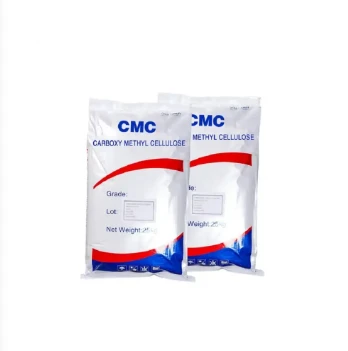
Once the sodium CMC passes all the tests, it is ready for packaging. We use high - quality packaging materials that protect the product from moisture, light, and air. Our packaging is designed to maintain the integrity of the sodium CMC during transportation and storage.
We also have strict storage conditions. The sodium CMC is stored in a cool, dry place away from direct sunlight. We regularly monitor the storage environment to ensure that the temperature and humidity are within the recommended range. This helps prevent degradation of the product over time.
Customer Feedback and Continuous Improvement
Customer feedback is an invaluable source of information for us. We actively seek feedback from our customers about the performance of our sodium CMC. If a customer reports an issue with the product, we take it very seriously. We conduct a thorough investigation to determine the root cause of the problem.
Based on the feedback and our investigations, we continuously improve our quality control measures. We may update our production processes, adjust our testing methods, or change our raw material suppliers if necessary. This commitment to continuous improvement ensures that we can consistently provide high - quality sodium CMC to our customers.
Applications of High - Quality Sodium CMC
High - quality sodium CMC has a wide range of applications. In the food industry, it is used as a thickener, stabilizer, and emulsifier. You can find it in products like ice cream, salad dressings, and baked goods. Check out CMC Food Grade and Food Grade CMC for more information on its food - grade applications.
In the pharmaceutical industry, sodium CMC is used as a binder, disintegrant, and suspending agent in tablets and capsules. It helps improve the stability and bioavailability of drugs.
In the cosmetics industry, it is used in products like lotions, creams, and shampoos to provide a smooth texture and improve the product's stability.
Conclusion
Quality control is the cornerstone of our sodium CMC production. From raw material inspection to product testing and packaging, we implement a series of strict measures to ensure that our sodium CMC meets the highest quality standards. We understand that our customers rely on the quality of our products, and we are committed to providing them with the best.
If you're interested in purchasing high - quality sodium CMC for your business, whether it's for food, pharmaceuticals, or cosmetics, we'd love to talk to you. Contact us to discuss your specific requirements and start a procurement negotiation. We're confident that our sodium CMC will meet your needs and exceed your expectations.
References
- "Cellulose Derivatives: Structure, Properties and Applications" by R. A. Young and R. M. Rowell
- "Food Additives: Chemistry, Function, and Safety" by F. Shahidi and Y. Ho
- "Pharmaceutical Dosage Forms: Tablets" by H. A. Lieberman, L. Lachman, and J. B. Schwartz