

Hey there! As a cigarette tow supplier, I often get asked about the differences between various types of cigarette tow. So, I thought I'd sit down and break it all down for you in this blog post.
First off, let's talk about what cigarette tow actually is. Cigarette tow is a crucial component in cigarette filters. It's typically made from cellulose acetate, which is a polymer derived from cellulose. The tow is formed into a bundle of fibers that are then used to create the filter part of a cigarette. The main job of the tow is to trap some of the harmful substances in the tobacco smoke, making the smoking experience a bit less harsh.
One of the most common types of cigarette tow is the acetate tow. Acetate tow is made from cellulose acetate, which is a semi - synthetic polymer. It has some great properties that make it ideal for cigarette filters. For one, it has a high filtration efficiency. That means it can effectively capture many of the tar and nicotine particles in the smoke as it passes through the filter.

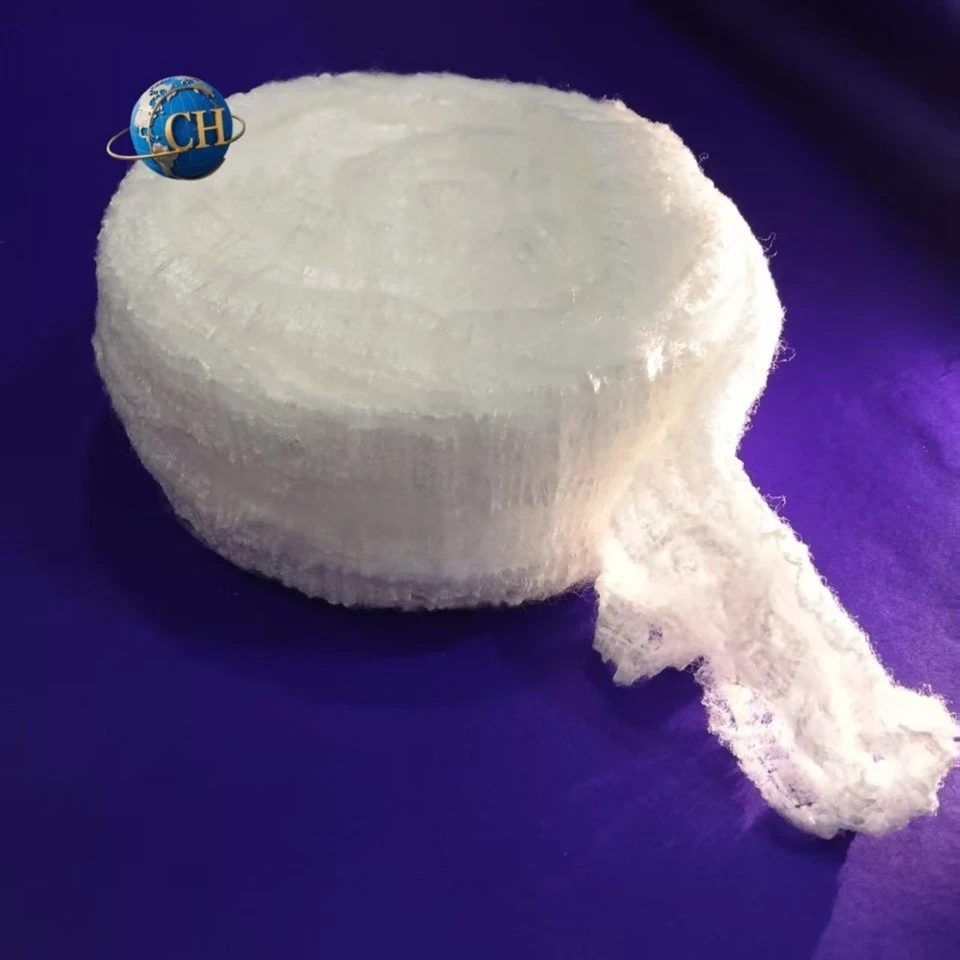
The 2.5Y30000 Acetic Acid Tow is an example of a specific type of acetate tow. The "2.5Y" refers to the denier per filament, which is a measure of the fiber's fineness. A lower denier per filament means the fibers are finer. The "30000" usually represents the total denier of the tow bundle. This particular tow is designed to provide a good balance between filtration and draw resistance. Draw resistance is how easy or hard it is for the smoker to draw the smoke through the filter. If the draw resistance is too high, the smoker will have a hard time inhaling, and if it's too low, the filtration might not be as effective.
Another similar product is the Acetate Tow 2.5y/30000 For Cigarette Filter Rods. This tow is specifically formulated for use in making filter rods. It has been processed and treated to ensure that it can be easily formed into the right shape for the filter. The manufacturing process for this type of tow is carefully controlled to maintain consistent quality. That way, cigarette manufacturers can rely on it to produce filters that perform the same way every time.
Now, let's compare acetate tow with other types of cigarette tow. There are also some alternative materials that can be used for cigarette tow, although acetate is by far the most popular. Some other materials might include polypropylene tow. Polypropylene is a synthetic polymer that is known for its low cost and good chemical resistance. However, it doesn't have the same filtration properties as acetate tow. Polypropylene tow tends to have a lower affinity for capturing tar and nicotine, so the filtration efficiency is not as high.
When it comes to cellulose acetate tow suppliers, there are a few things to consider. As a supplier myself, I know that quality control is key. The Cellulose Acetate Tow Suppliers For Sale need to ensure that the tow they produce meets strict standards. This includes things like the denier per filament, the total denier of the bundle, and the overall purity of the cellulose acetate.
The production process of acetate tow also plays a big role in its quality. It starts with the raw material, cellulose, which is usually sourced from wood pulp. The cellulose is then chemically treated to convert it into cellulose acetate. After that, the acetate is spun into fibers, which are then bundled together to form the tow. Each step in this process needs to be carefully monitored to make sure the final product has the right properties.
In terms of appearance, different types of cigarette tow can look a bit different. Acetate tow usually has a smooth and shiny appearance. The fibers are uniform in size and shape, which helps with the filtration process. Polypropylene tow, on the other hand, might have a more matte finish and the fibers might not be as uniform.
The performance of different types of cigarette tow can also vary depending on the smoking conditions. For example, in a high - humidity environment, acetate tow might perform better because it can better maintain its shape and filtration efficiency. Polypropylene tow might be more affected by moisture, which could potentially reduce its filtration ability.
Another factor to consider is the environmental impact. Acetate tow is considered to be more environmentally friendly compared to some other synthetic materials. Cellulose acetate is biodegradable to some extent, which means it will break down over time in the environment. Polypropylene, on the other hand, is a non - biodegradable plastic, which can contribute to environmental pollution.
As a cigarette tow supplier, I understand that cigarette manufacturers have different needs. Some might be more concerned about cost, while others might prioritize filtration efficiency or environmental impact. That's why we offer a range of different types of cigarette tow to meet these diverse requirements.
If you're in the market for cigarette tow, whether you're a small - scale cigarette producer or a large - scale manufacturer, I'd love to have a chat with you. We can discuss your specific needs and figure out which type of tow would be the best fit for your products. Don't hesitate to reach out and start a conversation about your cigarette tow requirements.
References
- "The Chemistry of Cigarette Filters" - Journal of Tobacco Science
- "Comparison of Different Filter Materials in Cigarettes" - International Journal of Environmental Health Research