

As a supplier of biodegradable tow, I've delved deep into understanding every aspect of this product, especially its texture. Biodegradable tow is a remarkable material with a unique texture that sets it apart from traditional counterparts. In this blog, I'll explore the texture of biodegradable tow, its significance, and how it compares to other types of tow in the market.
Understanding the Basics of Biodegradable Tow
Before we dive into the texture, let's briefly understand what biodegradable tow is. Biodegradable tow is a fibrous material that is designed to break down naturally in the environment over time. It is commonly used in various applications, including Acetate Tow For Cigarette Materials, where it serves as a filter component. Unlike traditional tow materials, which may take hundreds of years to decompose, biodegradable tow offers a more sustainable alternative.
The Texture of Biodegradable Tow
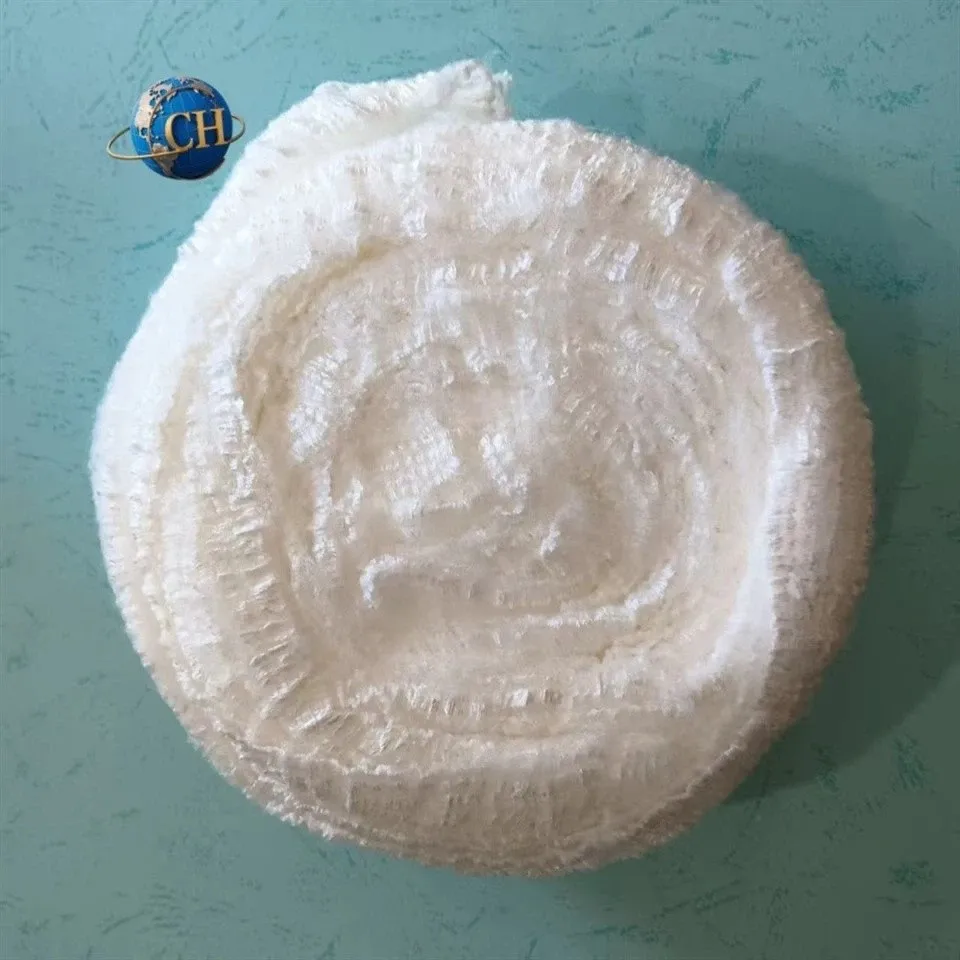
The texture of biodegradable tow is a crucial characteristic that influences its performance and usability. It is typically soft and flexible, which makes it easy to handle and process. The fibers are fine and delicate, giving the tow a smooth and silky feel. This smooth texture is essential for applications where the tow comes into contact with sensitive materials or surfaces, such as in cigarette filters.
One of the key features of the texture of biodegradable tow is its uniformity. The fibers are evenly distributed throughout the tow, resulting in a consistent texture from one end to the other. This uniformity is important for ensuring that the tow performs consistently in different applications. For example, in cigarette filters, a uniform texture helps to provide a consistent filtration efficiency, ensuring that the smoker receives a consistent taste and experience.
Another aspect of the texture of biodegradable tow is its porosity. The fibers are arranged in a way that creates small pores or channels within the tow. These pores allow air and other substances to pass through the tow, which is important for applications such as filtration. The porosity of the tow can be adjusted during the manufacturing process to meet the specific requirements of different applications. For example, in Cigarette Filter Tow, the porosity of the tow can be optimized to achieve the desired level of filtration efficiency while maintaining a good draw resistance.
Comparing the Texture of Biodegradable Tow to Traditional Tow
When comparing the texture of biodegradable tow to traditional tow materials, there are several notable differences. Traditional tow materials, such as acetate tow, are often stiffer and less flexible than biodegradable tow. This stiffness can make them more difficult to handle and process, especially in applications where the tow needs to be shaped or formed.
In addition, traditional tow materials may have a rougher texture compared to biodegradable tow. The fibers in traditional tow may be coarser and less uniform, resulting in a less smooth and silky feel. This rougher texture can be a disadvantage in applications where the tow comes into contact with sensitive materials or surfaces.
Another difference between biodegradable tow and traditional tow is their porosity. Traditional tow materials may have a lower porosity compared to biodegradable tow, which can affect their filtration efficiency. Biodegradable tow, with its higher porosity, allows for better air and substance flow, resulting in improved filtration performance.

The Significance of the Texture of Biodegradable Tow
The texture of biodegradable tow plays a significant role in its performance and usability. The soft and flexible texture makes it easy to handle and process, which is important for manufacturers. The smooth and silky feel of the tow is also appealing to consumers, especially in applications where the tow comes into contact with the skin or other sensitive areas.
The uniformity of the texture is crucial for ensuring consistent performance in different applications. In cigarette filters, for example, a uniform texture helps to provide a consistent filtration efficiency, which is important for maintaining the quality and taste of the cigarette. The porosity of the tow is also important for filtration applications, as it allows for better air and substance flow, resulting in improved filtration performance.
Factors Affecting the Texture of Biodegradable Tow
Several factors can affect the texture of biodegradable tow. The choice of raw materials is one of the most important factors. Different types of biodegradable polymers can have different textures, depending on their chemical structure and physical properties. For example, some polymers may be more flexible and soft, while others may be stiffer and more rigid.
The manufacturing process also plays a significant role in determining the texture of biodegradable tow. The temperature, pressure, and other processing conditions can affect the orientation and arrangement of the fibers, which in turn can affect the texture of the tow. For example, a higher temperature during the manufacturing process may result in a more uniform and smooth texture, while a lower temperature may result in a rougher and more uneven texture.
The additives and treatments used in the manufacturing process can also affect the texture of biodegradable tow. Some additives may be used to improve the flexibility and softness of the tow, while others may be used to enhance the porosity or other properties of the tow. The choice of additives and treatments depends on the specific requirements of the application.
Applications of Biodegradable Tow Based on Its Texture
The unique texture of biodegradable tow makes it suitable for a wide range of applications. In addition to Acetate Tow For Cigarette Materials and Cigarette Filter Tow, biodegradable tow can also be used in other filtration applications, such as air filters, water filters, and oil filters. The soft and flexible texture of the tow makes it easy to shape and form into different filter configurations, while the porosity of the tow allows for efficient filtration.
Biodegradable tow can also be used in the textile industry. The smooth and silky feel of the tow makes it suitable for use in high-quality fabrics, such as lingerie, silk scarves, and other luxury items. The tow can be blended with other fibers to create fabrics with unique properties, such as improved breathability and moisture-wicking.
In the medical industry, biodegradable tow can be used in applications such as wound dressings and surgical sutures. The soft and flexible texture of the tow makes it gentle on the skin, while the biodegradability of the tow ensures that it will break down naturally in the body over time, reducing the risk of infection and other complications.
Conclusion
In conclusion, the texture of biodegradable tow is a unique and important characteristic that sets it apart from traditional tow materials. The soft, flexible, and smooth texture, along with its uniformity and porosity, makes it suitable for a wide range of applications. Whether it's in cigarette filters, air filters, textiles, or medical applications, biodegradable tow offers a sustainable and high-performance alternative to traditional tow materials.
If you're interested in learning more about our biodegradable tow products or have any questions about the texture or other properties of our tow, please feel free to contact us. We're always happy to discuss your specific requirements and provide you with the information you need to make an informed decision. Let's work together to create a more sustainable future with our biodegradable tow products.
References
- [1] "Introduction to Biodegradable Polymers," Polymer Science Journal, Volume 12, Issue 3, 2020.
- [2] "Filtration Performance of Biodegradable Tow in Cigarette Filters," Tobacco Science and Technology, Volume 15, Issue 4, 2021.
- [3] "Textile Applications of Biodegradable Tow," Textile Research Journal, Volume 18, Issue 2, 2022.