


Products Description
Cellulose is a type of organic compound with the chemical formula of (C₆H₁₀O₄)n. is a polysaccharide composed of a linear chain (glycosidic bond) of several hundred to several thousand β(1→4) linked D-glucose units [2][3]. Cellulose is an important structural component of the primary cell walls of green plants, many forms of algae and fungi; some types of bacteria secrete it to form biofilms [4]. Cellulose is the most abundant organic polymer on Earth, the most widely distributed and abundant polysaccharide in nature, and the main component of plant cell walls. Cotton, flax, ramie and jute contain large amounts of high-quality cellulose. The cellulose content in cotton fibers is 90%, the cellulose content in wood is 40%-50%, and the cellulose content in dry hemp is 57% [5][6][7][8].
Cellulose is a tasteless and white filamentous substance. Cellulose is insoluble in water, dilute acids, dilute alkalis and organic solvents. However, it can be acid hydrolyzed under heating conditions. Its main biological function is to form the supporting tissues of plants.
Cellulose is a macromolecular polysaccharide composed of glucose. It is insoluble in water and common organic solvents. It is one of the main components of plant cell walls. Xylonite is the most abundant natural organic substance in the world, accounting for more than 50% of the carbon content in the plant kingdom. The cellulose content of cotton fibers is close to 100%, making it the purest natural source of cellulose. Generally, in wood, cellulose accounts for 40-50%, and there are 10-30% hemicellulose and 20-30% lignin. Besides, hemp, wheat straw, rice straw residue, etc. are also rich sources of cellulose. Xylonite is an important raw material for papermaking. Moreover, products made from cellulose are also widely used in plastics, explosives, electrical engineering, and scientific research equipment. Dietary cellulose (i.e., dietary fiber) in food also plays an important role in human health.
Ruminants can digest cellulose because there are microorganisms in their rumen that can secrete cellulase, such as Fibrobacter, Cellulomonas, and Rumenicola.
Cellulose was first discovered by French chemist Anselme Payen in 1838.


Property
Cellulose is a large molecule polysaccharide composed of D-glucose through β-1,4-glycosidic bonds, with a molecular weight ranging from 50,000 to 2,500,000, equivalent to 300 to 15,000 glucose units. Its molecular formula can be written as (C6H10O5)n. It is the main component of the cell walls of vascular plants, terrestrial plants, and some algae. The capsules of Acetobacter, as well as the capsules of some phylum Echinodermata, also contain cellulose. The seed hairs of cotton are highly pure (98%) cellulose. The term "α-cellulose" refers to the part that cannot be extracted from the original cell wall's complete cellulose standard sample using 17.5% sodium hydroxide (NaOH). β-cellulose, γ-cellulose are corresponding to hemicellulose. Among them, α-cellulose is usually composed of crystalline cellulose, while β-cellulose and γ-cellulose contain various polysaccharides in addition to cellulose. Cellulose forms microfibers in the cell walls. The width is 10 to 30 micrometers, and the length can reach several micrometers. Using X-ray (X-ray) diffraction and negative staining methods, based on electron microscope observations, the crystalline parts of the chain-like molecules arranged parallelly form basic microfibers with a width of 3 to 4 micrometers. It is speculated that these basic microfibers combine to form microfibers. Cellulose can dissolve in Schweizer's reagent (Schweizer's reagent is prepared by dissolving copper hydroxide in concentrated ammonia water) or concentrated sulfuric acid. Although it is not easily hydrolyzed by acids, dilute acids or cellulase can convert cellulose into D-glucose, fructose dimer, and oligosaccharides. In Acetobacter, there is an enzyme (cellulose synthase, EC 2.4.1.12) that transfers glycosidic bonds from UDP glucose to synthesize cellulose. In higher plants, standard samples of particles with the same activity have been obtained for this enzyme. This enzyme is usually produced using GDP glucose (cellulose synthase, EC 2.4.1.29), and in the case of UDP glucose transfer, β-1,3-bonds are mixed. The formation site of microfibers and the mechanism controlling the arrangement of cellulose are not yet very clear. On the other hand, regarding the decomposition of cellulose, it is estimated that part of the microfibers are decomposed by cellulase during the elongation and growth of primary cell walls, becoming soluble.
Cellulose is insoluble in water and organic solvents such as ethanol and ether, but it can dissolve in solutions of Schweizer reagent Cu(NH3)4(OH)2 and copper ethylenediamine (NH2CH2CH2NH2)Cu(OH)2. Water can cause limited swelling of cellulose, and the aqueous solutions of certain acids, bases and salts can penetrate into the crystalline regions of cellulose, resulting in unlimited swelling and dissolution of cellulose. Cellulose does not undergo significant changes when heated to approximately 150℃, and it will gradually char due to dehydration when the temperature exceeds this level. Cellulose undergoes hydrolysis with concentrated inorganic acids to produce glucose and other substances, reacts with concentrated caustic soda solution to form alkyl cellulose, and reacts with strong oxidants to form oxidized cellulose.
Source
The laboratory method for preparing cellulose involves treating plant raw materials with water and organic solvents first, then removing lignin contained therein with chlorine, chlorite, chlorine dioxide or peracetic acid to obtain cellulose and hemicellulose. Subsequently, various methods are employed to remove the hemicellulose to obtain pure cellulose. The industrial method involves cooking plant raw materials with an alkali solution or a sulfite solution to remove lignin, and then further removing residual lignin through bleaching. The resulting bleached pulp can be used for papermaking.
Function
Each year, the amount of cellulose used for textile and paper production worldwide reaches 8 million tons. Besides, using separated and purified cellulose as raw material can produce artificial silk, cellulose nitrate, cellulose acetate, ester derivatives such as methyl cellulose and ethyl cellulose, and ether derivatives such as carboxymethyl cellulose, which are used in plastics, explosives, electrical engineering and scientific research equipment, etc. Cellulose has good acoustic properties and is used to manufacture musical instruments such as pianos and violins. The cellulose in human diet is mainly contained in vegetables and coarsely processed grains. Although it cannot be digested and absorbed, it has functions such as promoting intestinal peristalsis and facilitating the excretion of feces. Herbivorous animals rely on the symbiotic microorganisms in their digestive tracts to decompose cellulose, thereby enabling absorption and utilization.
Identification
Cellulose burns without any smell and produces black smoke. This method can be used to distinguish artificial silk from real silk (proteins, when burned, have a smell similar to burnt feathers).

Application
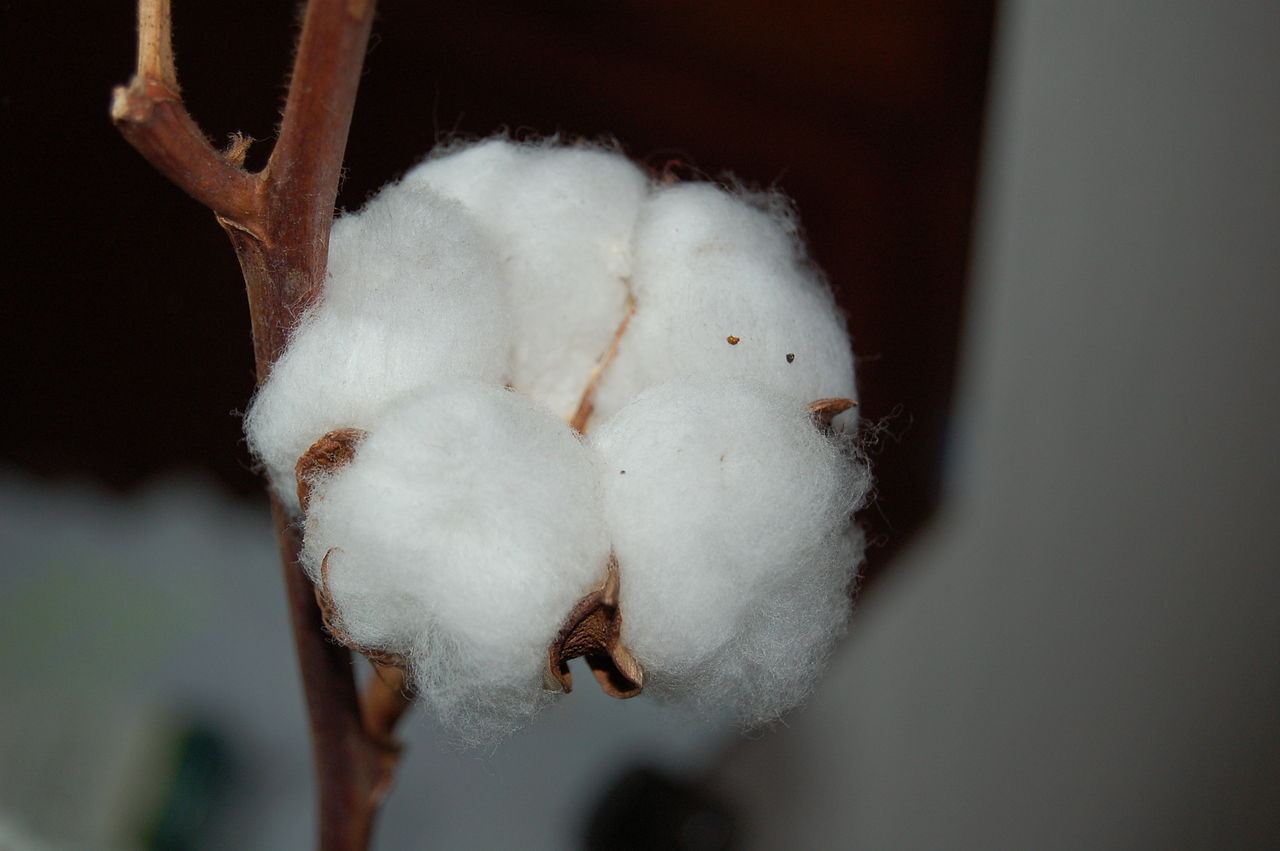
Cotton fibers represent the purest naturally formed cellulose, containing over 90% of polysaccharides.
Refer to: wood pulp
The cellulose used for industrial purposes mainly comes from wood pulp and cotton [9]. The sulfite pulping process is used to separate cellulose from lignin, which is another important component of plant matter.
Paper products
The main components of paper, cardboard and cardstock are cellulose.
Fiber
Cellulose is the main component of textiles made from cotton, linen and fiber plants; it can be transformed into rayon (Rayon, namely artificial silk), an important fiber that has been used in textiles since the early 20th century.