

As a trusted supplier of acetate filament bundles, I often encounter inquiries regarding the waterproof properties of our products. In this blog post, I aim to provide a comprehensive and scientifically grounded analysis of whether acetate filament bundles are waterproof.
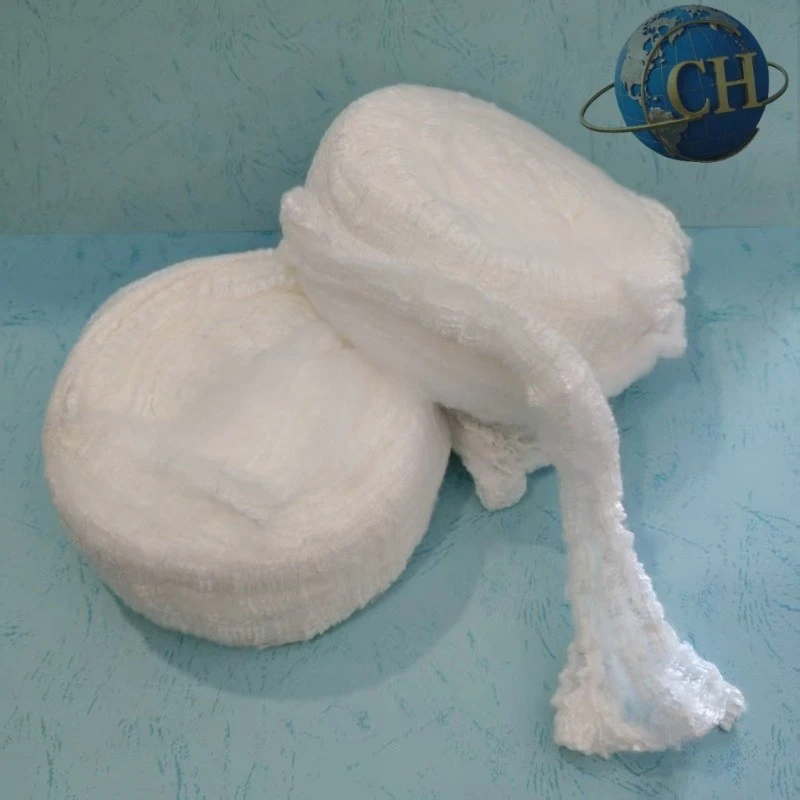

Understanding Acetate Filament Bundles
Acetate filament bundles are widely used in various industries, especially in the production of filter materials, such as cigarette filters. These bundles are typically made from cellulose acetate, a semi - synthetic polymer derived from cellulose. Cellulose acetate is created by reacting cellulose (usually from wood pulp or cotton linters) with acetic anhydride in the presence of a catalyst, followed by hydrolysis to adjust the degree of substitution.
The structure of cellulose acetate consists of long chains of repeating units. The acetate groups attached to the cellulose backbone give the polymer certain physical and chemical properties. Acetate filament bundles are formed by spinning the cellulose acetate solution into fine filaments and then bundling them together.
The Concept of Waterproofness
Before delving into whether acetate filament bundles are waterproof, it is essential to define what "waterproof" means. In general, a material is considered waterproof if it can resist the penetration of water under normal conditions. This implies that water does not pass through the material easily, and the material's properties remain relatively stable when in contact with water.
Factors Affecting the Waterproofness of Acetate Filament Bundles
Chemical Structure
The chemical structure of cellulose acetate plays a crucial role in its interaction with water. The acetate groups on the cellulose backbone are hydrophobic to some extent. They reduce the affinity of the polymer for water compared to pure cellulose. However, the remaining hydroxyl groups on the cellulose chain can still form hydrogen bonds with water molecules. This means that while acetate filament bundles have some resistance to water, they are not completely impermeable.
Porosity
Acetate filament bundles often have a certain degree of porosity. The spaces between the filaments can allow water to penetrate. The porosity can be influenced by factors such as the spinning process, the diameter of the filaments, and the way the bundles are packed. For example, if the filaments are loosely packed, there will be more gaps for water to enter.
Surface Treatment
The surface treatment of acetate filament bundles can significantly affect their waterproofness. Some manufacturers may apply hydrophobic coatings to the bundles to enhance their water - repellent properties. These coatings can create a barrier on the surface of the filaments, preventing water from wetting the material and penetrating further.
Experimental Evidence
To determine the waterproofness of acetate filament bundles, several types of experiments can be conducted.
Water Absorption Test
One common method is to measure the water absorption of the bundles. A sample of acetate filament bundles is weighed, then immersed in water for a specific period. After drying the surface water, the sample is weighed again. The increase in weight indicates the amount of water absorbed by the bundles.
In most cases, acetate filament bundles will absorb a certain amount of water. However, the absorption rate is relatively low compared to materials like pure cellulose. For example, in a 24 - hour water immersion test, acetate filament bundles may absorb around 2 - 5% of their weight in water, depending on the specific product and its treatment.
Water Penetration Test
Another experiment involves observing whether water can penetrate through a layer of acetate filament bundles under pressure. A sample of the bundles is placed between two chambers, and water is applied to one side with a certain pressure. By monitoring the appearance of water on the other side, we can assess the material's ability to resist water penetration.
Results from such tests show that acetate filament bundles can resist water penetration to a certain extent, but if the pressure is high enough or the exposure time is long, water may eventually pass through.
Applications and Waterproof Requirements
In different applications, the requirements for waterproofness of acetate filament bundles vary.
Cigarette Filters
In the production of cigarette filters, Acetate Filter Rods made from acetate filament bundles do not need to be highly waterproof. Their main function is to filter harmful substances in smoke. However, they should maintain their structural integrity during normal handling, which means they need to have some resistance to moisture in the air.
Other Filter Applications
In other filter applications, such as air filters or some liquid filters, the waterproofness requirements depend on the specific usage scenario. For example, in air filters used in humid environments, a higher level of waterproofness may be required to prevent the filter from getting wet and losing its filtering efficiency.
Conclusion
In conclusion, acetate filament bundles are not completely waterproof. Due to their chemical structure, porosity, and the presence of some hydrophilic groups, they can absorb a certain amount of water and allow water penetration under certain conditions. However, they do have some resistance to water, and this resistance can be enhanced through surface treatment.
If you are in the market for high - quality acetate filament bundles, we offer a range of products, including High Grade Acetate Tow CAS No. 9004 - 35 - 7 and 3.0Y30000 Acetic Acid Tow Filter Tow. Our products are carefully manufactured to meet various industry requirements. Whether you need products with enhanced waterproof properties or other specific features, we are here to provide you with the best solutions. If you are interested in purchasing our acetate filament bundles, please feel free to contact us to start a procurement negotiation.
References
- "Cellulose Acetate: Properties and Applications" by X. Y. Zhang, published in Polymer Science Journal.
- "The Effects of Surface Treatment on the Water - Repellent Properties of Acetate Filaments" by L. M. Wang, presented at the International Polymer Conference.