

As a supplier of acetate tow, I often receive inquiries about the possibility of blending acetate tow with other fibers. This topic is not only of interest to manufacturers in various industries but also crucial for understanding the potential applications and advantages of acetate tow in different product formulations. In this blog post, I will explore the feasibility, benefits, and challenges of blending acetate tow with other fibers.
Understanding Acetate Tow
Before delving into the blending process, it's essential to understand what acetate tow is. Acetate tow is a continuous bundle of acetate fibers that are typically used in the production of cigarette filters, filter rods, and other filtration applications. It is made from cellulose acetate, a semi - synthetic polymer derived from cellulose, usually sourced from wood pulp or cotton linters. High Grade Acetate Tow CAS No. 9004 - 35 - 7 is a prime example of the high - quality acetate tow available in the market.
Acetate tow offers several desirable properties, such as high absorbency, good filtration efficiency, and a soft, smooth texture. These properties make it an ideal material for filtration applications, especially in the tobacco industry where it helps to remove harmful substances from cigarette smoke. Additionally, acetate tow is biodegradable, which is an important consideration in today's environmentally conscious market.
Feasibility of Blending Acetate Tow with Other Fibers
The answer to the question "Can acetate tow be blended with other fibers?" is a resounding yes. Acetate tow can be successfully blended with a variety of natural and synthetic fibers, including cotton, polyester, nylon, and viscose. The blending process involves combining acetate tow with other fibers in specific ratios to achieve the desired properties in the final product.
One of the main factors that make blending possible is the compatibility of acetate tow with other fibers. Acetate has a similar chemical structure to cellulose, which allows it to blend well with natural fibers like cotton. At the same time, its semi - synthetic nature enables it to be compatible with synthetic fibers such as polyester and nylon.
Benefits of Blending Acetate Tow with Other Fibers
Enhanced Performance
Blending acetate tow with other fibers can significantly enhance the performance of the final product. For example, when blended with polyester, the resulting fabric can have improved wrinkle resistance and durability compared to pure acetate fabric. Polyester is known for its strength and resilience, while acetate contributes to the softness and drape of the fabric. This combination is often used in the production of high - quality clothing, such as dresses and shirts.
In filtration applications, blending acetate tow with other fibers can improve the filtration efficiency. For instance, Acetate Cigarette Filter Tow can be blended with activated carbon fibers to enhance the removal of specific harmful substances from cigarette smoke. The acetate tow provides the structural support and initial filtration, while the activated carbon fibers target and adsorb specific chemicals.
Cost - Effectiveness
Blending acetate tow with less expensive fibers can be a cost - effective solution for manufacturers. For example, blending acetate with cotton can reduce the overall cost of the fabric while still maintaining some of the desirable properties of acetate, such as softness and absorbency. This makes the final product more affordable for consumers without sacrificing too much in terms of quality.
Environmental Benefits
As mentioned earlier, acetate tow is biodegradable. By blending it with other biodegradable fibers, such as cotton or viscose, manufacturers can create products that are more environmentally friendly. These blended products can break down more easily in the environment, reducing the impact on landfills and the overall carbon footprint.
Challenges of Blending Acetate Tow with Other Fibers
Compatibility Issues
While acetate tow is generally compatible with many fibers, there can still be some compatibility issues. For example, differences in fiber shrinkage rates during washing or heat treatment can cause problems in the final product. If the shrinkage rates of acetate and another fiber are significantly different, the fabric may warp or become distorted.
Processing Difficulties
Blending acetate tow with other fibers can also present processing difficulties. The different physical and chemical properties of the fibers may require adjustments to the manufacturing process. For example, the spinning and weaving processes may need to be optimized to ensure a uniform blend and a high - quality final product.
Quality Control
Maintaining consistent quality in blended products can be a challenge. The ratio of acetate tow to other fibers needs to be carefully controlled to ensure that the desired properties are achieved in every batch. In addition, the quality of the individual fibers used in the blend can also affect the overall quality of the final product.
Applications of Blended Acetate Tow Products
Textile Industry
In the textile industry, blended acetate tow products are widely used in the production of clothing, home textiles, and industrial fabrics. Blended fabrics offer a combination of the best properties of acetate and other fibers, such as softness, durability, and wrinkle resistance. For example, a blend of acetate and polyester can be used to make high - end sportswear that is both comfortable and long - lasting.
Filtration Industry
As mentioned earlier, blending acetate tow with other fibers is common in the filtration industry. Acetate Tow For Filter Rod can be blended with various fibers to improve the filtration performance of filter rods. These filter rods are used in a wide range of applications, including air filters, water filters, and cigarette filters.
Conclusion
In conclusion, acetate tow can be effectively blended with other fibers to create products with enhanced performance, cost - effectiveness, and environmental benefits. While there are some challenges associated with blending, such as compatibility issues and processing difficulties, these can be overcome with proper planning and quality control.
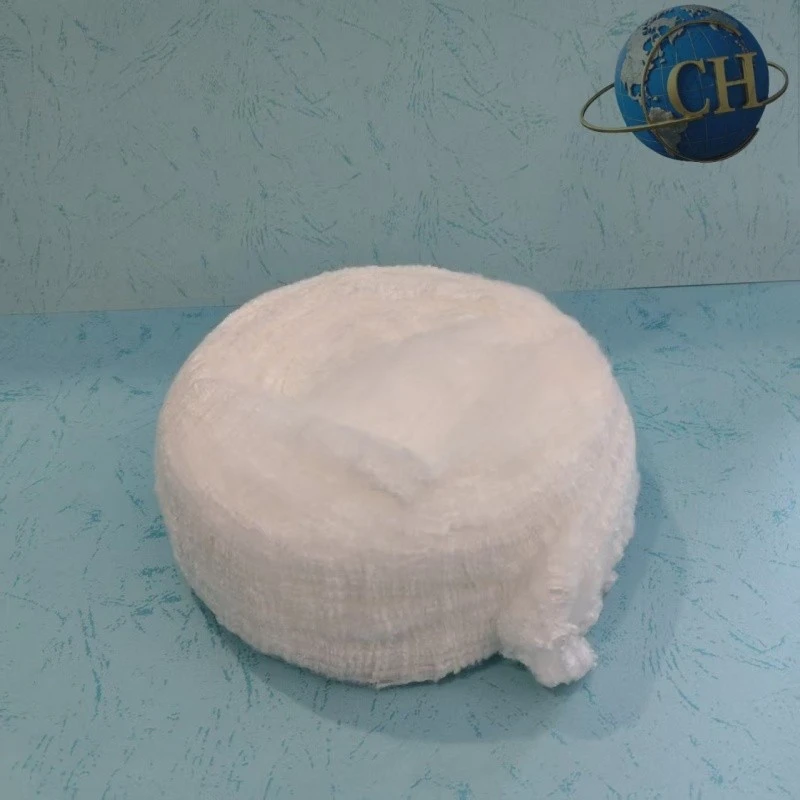

As a supplier of acetate tow, I am committed to providing high - quality products and technical support to help manufacturers explore the possibilities of blending acetate tow with other fibers. If you are interested in learning more about our acetate tow products or discussing potential blending applications, I encourage you to contact us for a detailed discussion and procurement negotiation.
References
- "Cellulose Acetate Fibers: Structure, Properties, and Applications" by X. Chen, et al.
- "Textile Fiber Science" by R. H. Meredith.
- "Filtration Technology: Principles and Applications" by P. A. Wakeman and A. Tarleton.