

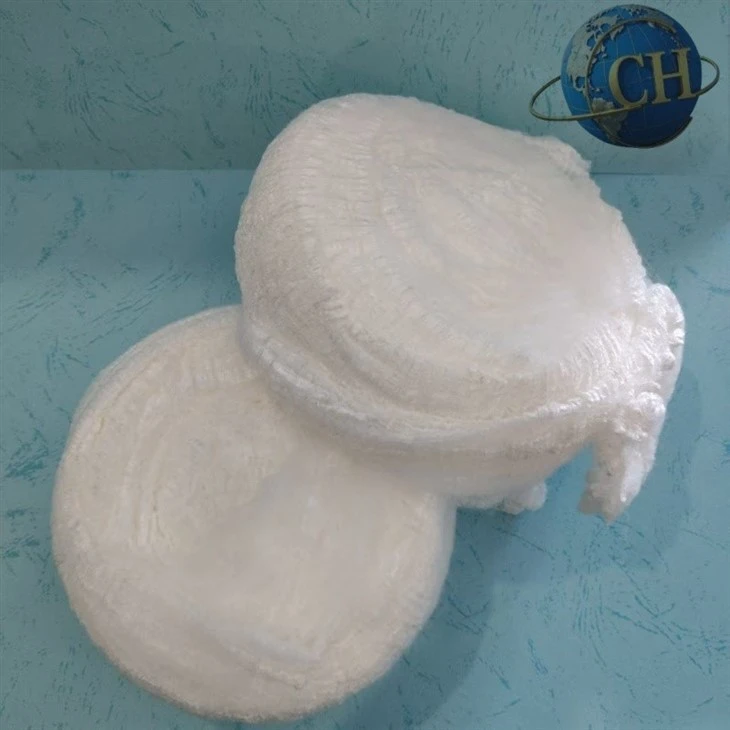
Diacetate tow, a crucial material in various industries, especially in the production of cigarette filters, has far - reaching social impacts that span from economic contributions to environmental and health - related concerns. As a diacetate tow supplier, I've witnessed firsthand how this product's production and use shape different aspects of society.
Economic Impacts
One of the most significant social impacts of diacetate tow production and use lies in its economic contributions. The production of diacetate tow creates numerous jobs at different stages of the supply chain. From the extraction and processing of raw materials to the manufacturing of the tow itself, and finally to its distribution, a large workforce is involved. In regions where diacetate tow production facilities are located, these jobs provide stable incomes for local residents, improving their living standards and contributing to the economic growth of the area.
Moreover, the diacetate tow industry stimulates related sectors. For example, the chemical industry supplies the raw materials necessary for diacetate tow production, such as cellulose acetate. This interdependence between industries leads to a multiplier effect, where growth in the diacetate tow sector can lead to increased business for suppliers and service providers.
The demand for diacetate tow in the cigarette industry is also a major economic driver. Cigarette manufacturers rely on high - quality diacetate tow for their filter production. The global cigarette market, despite facing various regulatory challenges, remains substantial. As a result, the consistent demand for diacetate tow ensures a stable revenue stream for suppliers like me. This economic stability allows for further investment in research and development, leading to the improvement of product quality and the development of new applications for diacetate tow. For instance, the Cellulose Acetate Fiber Tow has been continuously enhanced to meet the evolving needs of the market.
Environmental Impacts
While diacetate tow has economic benefits, its environmental impacts are a growing concern. The production process of diacetate tow involves the use of chemicals and energy. The chemical reactions required to convert cellulose into diacetate tow often use solvents and catalysts, which can have environmental implications if not properly managed. These chemicals can potentially contaminate water sources and soil if released into the environment.
In addition, the energy consumption during production contributes to greenhouse gas emissions. As the world becomes more conscious of climate change, the diacetate tow industry is under pressure to reduce its carbon footprint. Suppliers are increasingly investing in energy - efficient technologies and sustainable production methods. For example, some manufacturers are exploring the use of renewable energy sources in their production facilities to reduce reliance on fossil fuels.
Another environmental issue is the disposal of diacetate tow waste. Cigarette butts, which contain diacetate tow filters, are one of the most common forms of litter globally. Diacetate tow is a form of plastic, and although it is biodegradable under certain conditions, the rate of degradation in the environment is slow. These discarded cigarette butts can end up in water bodies, harming aquatic life. They can also take years to break down in landfills. To address this issue, some initiatives are underway to develop more environmentally friendly alternatives or to improve the recycling of diacetate tow. The CAS: 9004 - 35 - 7 Acetate Tow is being studied for better waste management solutions.

Health - Related Impacts
The use of diacetate tow in cigarette filters has both positive and negative health - related impacts. On the positive side, diacetate tow filters can reduce the amount of certain harmful substances in cigarette smoke. The porous structure of the tow can trap some of the tar and particulate matter, making the smoke inhaled by smokers slightly less harmful. However, it's important to note that this does not make smoking safe. Cigarette smoking remains a major cause of various health problems, including lung cancer, heart disease, and respiratory illnesses.
Moreover, the perception that filters make cigarettes less harmful can sometimes lead to increased smoking. Smokers may believe that they are reducing their health risks by using filtered cigarettes, which can lead to a false sense of security. This can have a significant impact on public health, as it may contribute to the continuation of smoking habits and the associated health problems.
On the other hand, the production of diacetate tow also has potential health risks for workers. Exposure to the chemicals used in the production process, such as solvents and catalysts, can pose health hazards. Workers may be at risk of respiratory problems, skin irritations, and other chemical - related illnesses. Therefore, proper safety measures and protective equipment are essential in diacetate tow production facilities to ensure the well - being of the workforce.
Social and Cultural Impacts
The production and use of diacetate tow are also intertwined with social and cultural factors. In many cultures, smoking is deeply ingrained as a social activity. Cigarettes, with their diacetate tow filters, are often used as a means of social interaction. They can be shared among friends or used in social gatherings. This cultural aspect of smoking has a significant influence on the demand for diacetate tow.
However, there is also a growing anti - smoking movement worldwide. Public awareness of the health risks associated with smoking has led to increased regulations and social stigmatization of smokers. This shift in social attitude has implications for the diacetate tow industry. As more people quit smoking or reduce their consumption, the demand for diacetate tow may decline. At the same time, the industry is facing pressure to develop products that are more in line with the changing social values, such as promoting a healthier lifestyle. The Cellulose Acetate Tow - high Level is an example of a product that may be adapted to meet these new social demands.
Looking to the Future
As a diacetate tow supplier, I am aware of the complex social impacts of our product. We are committed to addressing the environmental and health - related concerns while continuing to contribute to the economic development. In the future, we expect to see more innovation in the diacetate tow industry. This may include the development of more sustainable production methods, the creation of new applications for diacetate tow beyond the cigarette industry, and the improvement of waste management solutions.
We also recognize the importance of working with other stakeholders, including governments, environmental organizations, and research institutions, to find solutions to the challenges we face. By collaborating, we can develop strategies to minimize the negative impacts of diacetate tow production and use while maximizing its benefits.
If you are interested in learning more about our diacetate tow products or are looking to start a procurement partnership, please feel free to reach out. We are always ready to discuss your specific needs and provide high - quality diacetate tow solutions.
References
- World Health Organization. (2023). Global Report on Trends in Prevalence of Tobacco Smoking 2000 - 2025.
- Environmental Protection Agency. (2022). Chemicals and Their Impact on the Environment.
- Industry Reports on Diacetate Tow Production and Market Trends.