

In recent years, the landscape of acetate tow applications has been undergoing a remarkable transformation. As a leading supplier of acetate tow, I've witnessed firsthand the exciting new directions this versatile material is taking. Beyond its traditional use in cigarette filters, acetate tow is finding its way into a wide array of innovative applications, driven by technological advancements, changing consumer demands, and a growing emphasis on sustainability.
Traditional Applications: A Foundation of Success
Historically, acetate tow has been predominantly used in the tobacco industry, specifically for manufacturing cigarette filters. Its unique properties, such as high filtration efficiency, low pressure drop, and excellent taste retention, make it an ideal material for this purpose. Acetic Acid Tow For Cigarette Filter remains one of our most popular products, meeting the stringent quality requirements of cigarette manufacturers worldwide. The smooth texture and consistent performance of our acetate tow ensure a satisfying smoking experience for consumers while effectively reducing harmful substances in cigarette smoke.
New Horizons: Emerging Applications
Air Filtration
With the increasing awareness of air quality and the need for effective air purification solutions, acetate tow is emerging as a promising material for air filters. Its high surface area and porous structure allow it to capture a wide range of airborne particles, including dust, pollen, and smoke. Unlike traditional air filter materials, acetate tow is lightweight, flexible, and easy to process, making it suitable for a variety of filter designs. In addition, acetate tow is biodegradable, which aligns with the growing demand for environmentally friendly products. Our 4.5Y Filter Rod is being explored for use in residential and commercial air filtration systems, offering a sustainable alternative to conventional filters.
Water Filtration
Similar to its application in air filtration, acetate tow shows great potential in water filtration. It can effectively remove impurities, such as heavy metals, organic compounds, and microorganisms, from water. The hydrophilic nature of acetate tow allows it to attract and retain water molecules, enhancing its filtration efficiency. Moreover, acetate tow can be modified with various functional groups to improve its selectivity and performance in specific water treatment applications. As the demand for clean and safe water continues to rise, acetate tow-based water filters are expected to play an increasingly important role in ensuring access to potable water.
Medical and Hygiene Products
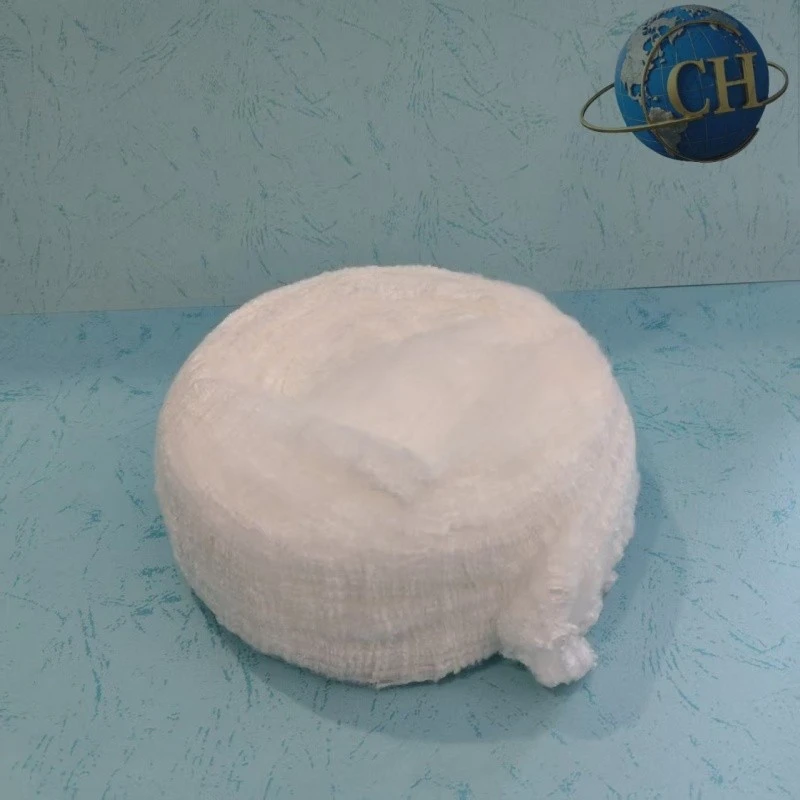
The medical and hygiene industry is another area where acetate tow is finding new applications. Its softness, comfort, and absorbency make it an ideal material for medical dressings, wound care products, and feminine hygiene products. Acetate tow can also be used in the production of surgical masks and respirators, providing effective protection against infectious diseases. Our High Grade Acetate Tow CAS No. 9004-35-7 meets the strict quality and safety standards required for medical applications, ensuring the well-being of patients and healthcare professionals.
Textiles and Nonwovens
In the textile and nonwoven industry, acetate tow is being used to create innovative fabrics and materials with unique properties. It can be blended with other fibers, such as cotton, polyester, and nylon, to enhance the performance and aesthetics of the final product. Acetate tow-based fabrics are known for their softness, drape, and moisture-wicking properties, making them suitable for a variety of applications, including clothing, home textiles, and automotive interiors. Additionally, acetate tow can be used to produce nonwoven fabrics, which are widely used in disposable products, such as wipes, diapers, and sanitary napkins.
Sustainability: A Driving Force
One of the key factors driving the development of new applications for acetate tow is its sustainability profile. Acetate tow is derived from cellulose, a renewable and biodegradable resource, which makes it an environmentally friendly alternative to synthetic materials. In addition, the production process of acetate tow is relatively energy-efficient and generates fewer greenhouse gas emissions compared to other materials. As consumers become more conscious of the environmental impact of their purchases, the demand for sustainable products made from acetate tow is expected to continue to grow.
Collaboration and Innovation
To fully realize the potential of acetate tow in these emerging applications, collaboration between suppliers, manufacturers, and researchers is essential. At [supplier's name], we are committed to working closely with our partners to develop innovative solutions that meet the evolving needs of the market. Through joint research and development projects, we are exploring new ways to optimize the performance of acetate tow and expand its application scope. We also provide technical support and customized solutions to our customers, ensuring the successful implementation of acetate tow in their products.

Conclusion
The future of acetate tow looks bright, with a wide range of new applications on the horizon. From air and water filtration to medical and hygiene products, acetate tow is proving to be a versatile and sustainable material that can address some of the most pressing challenges of our time. As a leading supplier of acetate tow, we are excited to be at the forefront of this innovation and look forward to working with our partners to bring these new applications to market. If you are interested in learning more about our acetate tow products or exploring potential collaborations, please do not hesitate to contact us. We are eager to discuss how we can meet your specific needs and contribute to your success.
References
- [List of relevant scientific papers, industry reports, etc.]